海洋被塑膠淹沒:日益嚴重的海洋污染危機
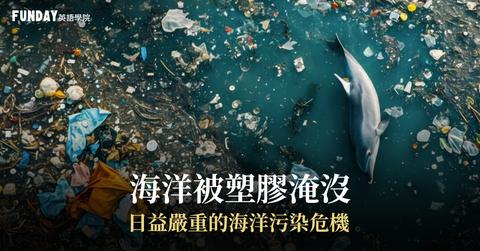
Oceans Drowning in Plastic: The Growing Crisis of Marine Pollution
海洋被塑膠淹沒:日益嚴重的海洋污染危機
Plastic pollution has escalated into one of the most serious environmental crises of our time. Every year, an estimated 8 to 11 million metric tons of plastic waste flows into the world’s oceans — equivalent to dumping the contents of a garbage truck into the sea every minute.
塑膠污染已升級為我們這個時代最嚴重的環境危機之一。每年,估計有 800 萬到 1,100 萬公噸的塑膠廢棄物流入世界各大洋——相當於每分鐘將一輛垃圾車的垃圾倒入海中。
Because of this ongoing influx, the total amount of plastic waste accumulated in the oceans is now estimated at 75 to 199 million metric tons. Such a massive accumulation is endangering marine ecosystems and threatening biodiversity on a global scale.
由於這種持續流入,海洋中累積的塑膠廢棄物總量目前估計已達 7,500 萬到 1.99 億公噸。如此龐大的累積正在危害海洋生態系統,並對全球生物多樣性構成威脅。
The Great Pacific Garbage Patch: A Floating Plastic Graveyard
北太平洋垃圾帶:漂浮的塑膠墓場
One of the most infamous symbols of this crisis is the Great Pacific Garbage Patch (GPGP), a vast gyre of marine debris swirling in the North Pacific Ocean. Recent scientific surveys estimate that the GPGP covers about 1.6 million square kilometers and contains roughly 45,000 to 129,000 metric tons of plastic — a figure far larger than previously thought.
這場危機最臭名昭著的象徵之一是北太平洋垃圾帶(GPGP),一個在北太平洋海域旋轉的大型海洋廢棄物漩渦。最新科學調查估計,GPGP 面積約為 160 萬平方公里,含有大約 4.5 萬到 12.9 萬公噸的塑膠,遠超過先前的估計。
However, the GPGP is not a single visible island of trash as often imagined. Most of the waste consists of microplastics — fragments often less than 5 mm in size — dispersed throughout the water column. In fact, while microplastics may account for a small portion of the mass, they represent the vast majority of the pieces: studies estimate up to 1.8 trillion plastic particles floating in the GPGP.
然而,北太平洋垃圾帶並不像人們想像的那樣是一個單一可見的垃圾島。大部分廢棄物是微塑膠——通常小於 5 毫米的碎片,分散在整個水柱中。事實上,雖然微塑膠在總重量中只佔一小部分,但它們卻佔了大多數的碎片數量:研究估計 GPGP 中漂浮的塑膠顆粒多達 1.8 兆個。
From Macro Plastic to Microplastic: Persistence and Pollution
從大塊塑膠到微塑膠:持久性與污染問題
Plastic items do not biodegrade in any meaningful timeframe. Instead, they break down into smaller particles under the effects of sunlight, waves, and chemical processes — eventually forming microplastics and even nanoplastics. These tiny particles persist for decades or even centuries in ocean waters. Because they are small and often buoyant, microplastics are easily ingested by marine life, including fish, sea turtles, seabirds, and marine mammals.
塑膠製品在可觀的時間範圍內無法生物分解。相反地,它們在陽光、海浪和化學作用下分解成更小的顆粒——最終形成微塑膠,甚至納米塑膠。這些微小顆粒可在海洋中持續存在數十年甚至數百年。由於它們體積小且常具浮力,微塑膠容易被海洋生物攝入,包括魚類、海龜、海鳥以及海洋哺乳動物。
Such infiltration into the marine food web has alarming consequences. Researchers estimate that the unchecked accumulation of plastics in the ocean could rise to 76 million metric tons by 2040, and 141 million metric tons by 2060 if no substantial policy changes are made.
這種滲入海洋食物鏈的現象帶來令人擔憂的後果。研究人員估計,如果沒有實質性的政策改變,海洋中塑膠的無節制累積到 2040 年可能達到 7,600 萬公噸,到 2060 年甚至可能增加至 1.41 億公噸。
Impact on Marine Life, Ecosystems, and Human Health
對海洋生物、生態系統與人類健康的影響
Plastic pollution affects more than just aesthetics. According to global environmental reports, marine debris — mostly plastic — harms over 800 marine species. Animals can be wounded by entanglement, starved by ingesting plastics mistaken for food, or poisoned by toxic chemicals that have attached to the plastic particles.
塑膠污染影響的不僅僅是美觀。根據全球環境報告,海洋廢棄物——大多為塑膠——對 800 多種海洋生物造成傷害。動物可能因纏繞受傷、誤食塑膠而餓死,或因塑膠顆粒附著的有毒化學物質而中毒。
Moreover, microplastics’ persistence and widespread dispersal may infiltrate human food chains. Fish and seafood consumed by humans can carry microplastics, raising concerns about long-term health impacts, including exposure to harmful additives and pollutants.
此外,微塑膠的持久性和廣泛分布可能滲入人類的食物鏈。人類食用的魚類和海鮮可能含有微塑膠,這引發了對長期健康影響的擔憂,包括暴露於有害添加劑和污染物的風險。
Beyond individual health, plastic pollution undermines the ocean’s ability to function as a carbon sink and contributes to climate change. By altering ocean chemistry and harming plankton and other small marine organisms, plastics compromise ocean ecosystems that play a critical role in carbon dioxide absorption.
除了對個人健康的影響外,塑膠污染還削弱了海洋作為碳匯的功能,並加劇氣候變化。塑膠改變了海洋化學環境,並危害浮游生物及其他小型海洋生物,破壞了在二氧化碳吸收中扮演關鍵角色的海洋生態系統。
Why This Matters Now — and What Should Be Done
為何這個問題刻不容緩——以及應採取的行動
Plastic production has exploded since the mid-20th century. Since 1950, plastics use has increased 230-fold. A large portion — about 31% — is single-use packaging, which often ends up discarded shortly after use.
自 20 世紀中葉以來,塑膠生產急劇增加。自 1950 年起,塑膠使用量已增長 230 倍。其中很大一部分——約 31%——是一次性包裝,通常在使用後不久就被丟棄。
If current trends continue, the oceans will soon be unable to absorb the ever-growing tide of plastic waste. The social, ecological, and health-related consequences will worsen. That’s why many scientists and environmental agencies call for urgent global action:
如果目前的趨勢持續下去,海洋將很快無法吸收日益增長的塑膠廢棄物潮。其社會、生態及健康相關的後果將持續惡化。這也是許多科學家和環保機構呼籲全球立即採取行動的原因:
Drastically reduce plastic production and single-use plastic use. Switching to reusable materials, more sustainable packaging, and stronger regulations can curb the flow of plastic into the environment.
大幅減少塑膠生產與一次性塑膠的使用。改用可重複使用的材料、更永續的包裝,並加強法規,可以減少塑膠進入環境的流量。
Improve waste management and recycling systems worldwide, especially in regions currently contributing disproportionately to ocean plastic pollution.
改善全球廢棄物管理與回收系統,特別是在目前對海洋塑膠污染貢獻過大的地區。
Support cleanup initiatives, but understand that removal alone will not be sufficient: prevention must be the priority.
支持清理行動,但要明白僅靠清理不足以解決問題:預防必須放在首位。
Encourage international cooperation and possibly adopt a global treaty targeting plastic production, waste disposal, and marine pollution mitigation.
鼓勵國際合作,並可能採行全球性條約,針對塑膠生產、廢棄物處理及海洋污染防治。
Conclusion
結論
The evidence is stark and mounting: our oceans are drowning in plastic. From massive floating garbage patches like the Great Pacific Garbage Patch to invisible microplastic particles that infiltrate marine ecosystems and human food chains, plastic pollution poses severe threats to biodiversity, environmental health, and human well-being.
證據明確且日益增加:我們的海洋正被塑膠淹沒。從像北太平洋垃圾帶這樣的大型漂浮垃圾區,到滲入海洋生態系統與人類食物鏈的微塑膠顆粒,塑膠污染對生物多樣性、環境健康及人類福祉構成嚴重威脅。
If we do not act now — by reducing plastic production, improving waste management, and limiting single-use plastics — the ocean’s capacity to absorb waste will be overwhelmed. The consequences will only grow more dire: degraded marine ecosystems, declining fisheries, health risks for humans, and further acceleration of climate change.
如果我們現在不採取行動——減少塑膠生產、改善廢棄物管理、限制一次性塑膠——海洋吸收廢棄物的能力將不堪負荷。後果只會變得更加嚴重:海洋生態系統退化、漁業衰退、人類健康風險增加,以及氣候變化進一步加速。
We must treat plastic pollution not as a localized nuisance, but as a global crisis demanding urgent and coordinated action.
我們必須將塑膠污染視為全球性危機,而非局部的困擾,並採取緊急且協調的行動來應對。
------
現在加入會員,就能暢讀英語文章。
每日國際時事、生活新知、通識專欄——
免費加入 👉 FUNDAY英語學院