非侵入式提取
Chinese medicine is the product of wisdom gathered over centuries by ancient healers and caregivers.
中醫是數世紀以來集結古人智慧的結晶。
gather(v.)集合;蒐集ancient(adj.)古老的;古代的
Chinese medicine believes that a person’s good health results from the balance between the internal systems and external factors.
中醫認為人體健康是內外調和的結果。
result from=由~導致balance(n.)(v.)(使)平衡
Many of the treatments common in Chinese medicine, such as acupuncture and cupping, all attempt to foster this harmonious relationship between the human body and its surrounding environment.
針灸與拔罐等常見的中醫治療無不試圖促進人體與周邊環境的和諧關係。
treatment(n.)治療common(adj.)常見的foster(v.)促進harmonious(adj.)和諧的;協調的
Regardless, some traditional Chinese medicine methods have been criticized by conservationists for using animal-derived substances.
儘管如此,使用動物源性成分的傳統中醫療法一直受到動保團體的批評,
criticize(v.)批評
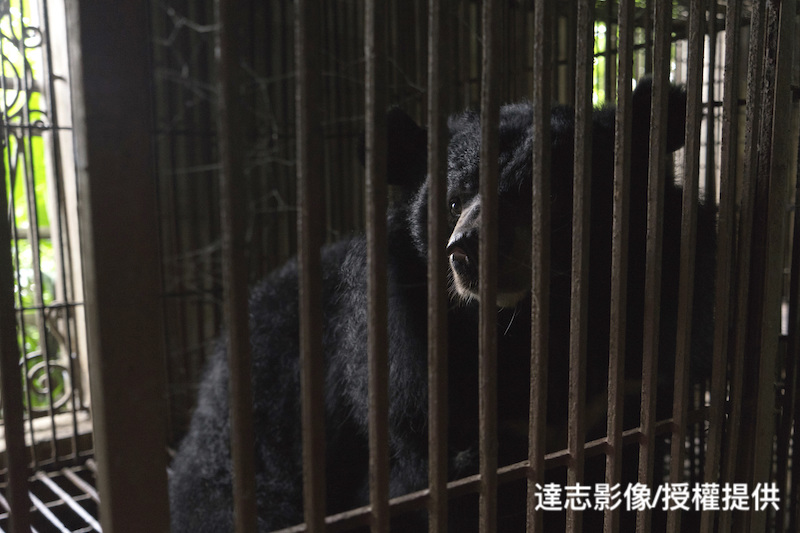
One of the most prominent examples is bear bile, a digestive fluid produced by the liver and stored in the gall bladder.
最顯著的例子之一便是以熊膽膽汁入藥(膽汁是由肝臟分泌並儲存在膽囊的消化液)。
prominent(adj.)突出的;顯眼的digestive(adj.)消化相關的store(v.)儲存;儲藏
Traditional Chinese medicine regards bear bile as a cold medicine that could dispel heat to relieve the severity of fever, inflammation or swelling.
中醫視熊膽膽汁為寒性藥材,可清熱消暑,緩解發燒、發炎與腫脹。
regard A as B=把A視為Bdispel(v.)消除relieve(v.)緩解;舒緩;減輕
Bear bile used to be obtained mainly from hunting wild bears and removing the organs.
古時主要取得熊膽膽汁的方式是獵殺野生的熊並取出其膽囊。
obtain(v.)獲得;取得organ(n.)器官
Nevertheless, bear bile farming grew in popularity during the late twentieth century as a method of continuously extracting bile from bears.
然而,熊膽養殖場在20世紀晚期開始流行起來,為的是讓業者能繼續提取熊膽膽汁。
popularity(n.)流行extract(v.)提取;取出
Thankfully, less invasive alternatives are available now that provide similar therapeutic properties.
所幸如今出現了以非侵入式且不影響療效的方式提取膽汁。
invasive(adj.)侵入式的alternative(n.)替代方案