越冷越開心
Olivia and Oliver are having dinner after class.
奧莉維亞與奧立佛課後正在吃晚餐。
Oliver: I saw a TV program introducing Japan yesterday.
奧立佛:昨天我看了一個介紹日本的電視節目。
program(n.)節目introduce(v.)介紹
Olivia: Is it about Japanese culture?
奧莉維亞:是有關日本文化的嗎?
culture(n.)文化
Oliver: Yes. It’s a traditional event used to celebrate the New Year and other major occasions such as births or weddings.
奧立佛:是的。是一個用以慶祝新年與其他像是出生或婚禮等重大時刻的傳統活動。
traditional(adj.)傳統的event(n.)活動celebrate(v.)慶祝major(adj.)重大的occasion(n.)時刻,時候birth(n.)出生wedding(n.)婚禮
Olivia: How do they do it?
奧莉維亞:他們怎麼做呢?
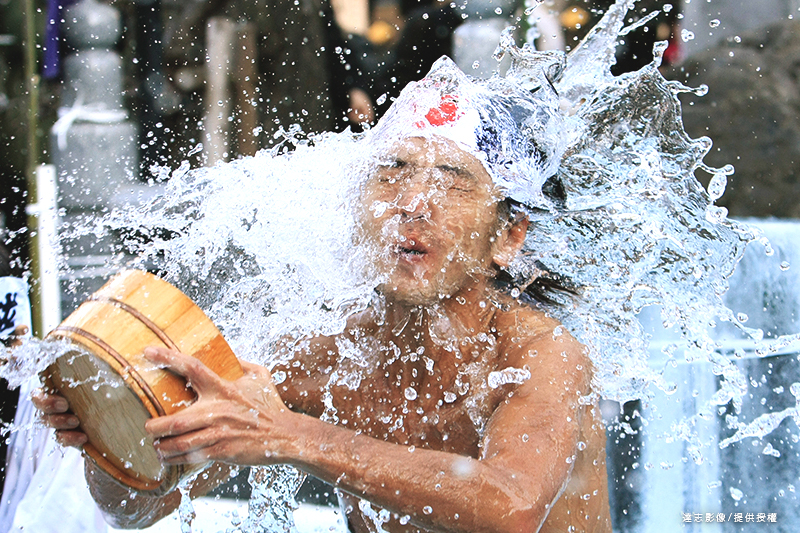
Oliver: They get into ice-cold water or pour the freezing water on themselves.
奧立佛:他們進入冰水中或把冰凍的水淋在身上。
into(prep.)進入pour(v.)倒freezing(adj.)冰凍的themselves(pron.)他們自己
Olivia: I think it’s a religious ceremony. Am I right?
奧莉維亞:我想這是個宗教儀式對嗎?
religious(adj.)宗教的ceremony(n.)典禮,儀式right(adj.)對的
Oliver: You’re right. It’s one of the main rites of Shinto. The Japanese believe that the ice bath can purify their souls of sins and bring luck for the coming year.
奧立佛:沒錯。這是神道教的主要宗教儀式之一。日本人相信冰水浴能淨化他們罪惡的靈魂並為來年帶來機會。
main(adj.)主要的rite(n.)宗教儀式Shinto(n.)神道教believe(v.)相信bath(n.)沐浴,洗澡purify(v.)淨化soul(n.)靈魂sin(n.)罪,罪過bring(v.)帶來luck(n.)運,機會coming(adj.)即將來臨的
Olivia: They must be really cold after the bath. Do they do something to warm their bodies up?
奧莉維亞:在沐浴後一定很冷,他們有做什麼讓身體溫暖的事嗎?
must(aux.)一定something(pron.)某事,某物warm(v.)使溫暖body(n.)身體
Oliver: They jog around the shrine and do some physical exercise.
奧立佛:他們會繞著神殿慢跑,並做一些體育運動。
jog(v.)慢跑around(prep.)繞著shrine(n.)聖殿,神龕physical(adj.)身體的exercise(n.)運動
Oliver: I wish I was there. I’ll arrange to watch the ceremony next year.
奧莉維亞:真希望我也在場。明年我要安排一些時間去觀看這個儀式。
wish(v.)希望arrange(v.)安排