形式跟隨功能
While “modern” is usually thought of as a word to describe things that are up to date or extremely new, in the context of architecture, “modern” actually describes structures of all types “designed and built within the social, artistic and cultural attitude of modernism.”
雖然「現代」一詞通常被認為是用來形容最新或極新的事物,但就建築而言,「現代」實際上是指「在現代主義的社會、藝術和文化態度下設計和建造的」各類建築。
while(conj.)雖然be thought of被視為=be viewed as=be seen as=be regarded asup to date最新的out of date過時的in the context of在~背景下context(n.)背景、上下文、文本be taken out of context被斷章取義modernism(n.)現代主義
This movement started in the late 19th century and lasted until the mid-20th century, experiencing a great rise in popularity after World War I.
這場運動始於19世紀末,持續到20世紀中,並在第一次世界大戰後大受歡迎。
movement(n.)(有特定目標的)運動civil rights movement民權運動last(v.)持續,experiencing...=and experienced...
Beginning in Europe and then moving to the US, this new style of architecture totally redefined both the way structures were designed and how people lived in the built environment.
這種新的建築風格始於歐洲,然後傳入美國,完全重新定義了建築的設計方式以及人們在建築環境中的生活方式。
redefine(v.)重新定義the way (in which)... ~的方式
While some of the changes associated with modern architecture came from the philosophy of modernism, other practical factors, such as advancements in engineering and industry, further influenced the style.
雖然現代建築的一些變化源於現代主義的哲學,但工程和工業的進步等其他實際因素也進一步影響了現代建築風格。
be associated with與~有關philosophy(n.)哲學practical(adj.)實際的advancement(n.)進步的
Moreover, during that time period, a new type of architecture was needed to create suitable housing for the growing urban populations of the world.
此外,在那個時期,需要一種新型建築來為不斷增長的世界城市人口創造合適的住房。
suitable(adj.)合適的urban(adj.)都市的rural(adj.)鄉村的
Modern architecture differs from previous styles due to the five main design principles shared by modernist architects.
現代建築不同於以往的建築風格,因為現代主義建築師共享五大設計原則。
differ from 和~不同principle(n.)原則
According to the Getty Museum, these include: the use of new building materials, the employment of engineering advancements, a focus on health and comfort of those using the buildings, the idea of designing buildings for everyone to use and the guiding belief that “form follows function.”
根據蓋蒂博物館的說法,這些原則包括:使用新型建築材料、採用先進的工程技術、關注建築使用者的健康和舒適度,設計供所有人使用的建築,以及「形式跟隨功能」的指導原則。
material(n.)材料employ(v.)、employment(n.)採用guiding belief指導信念、原則
The last of these was a huge change from the past, when architects did not always consider how functional their designs would be for users.
這些原則中的最後一項與過去有很大不同,過去建築師並不總是考慮到他們的設計對使用者來說有多實用。
functional(adj.)功能性的、實用的
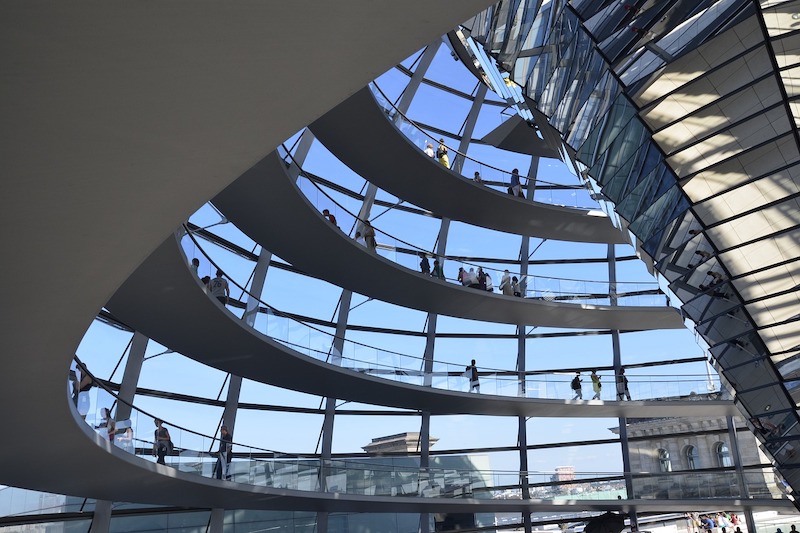
As a result, modern architecture changed the world by becoming the first style of architecture to combine glass and steel to create structures with open floor plans aimed at meeting the needs and supporting the health of building occupants.
因此,現代建築改變了世界,成為第一種將玻璃和鋼結合在一起的建築風格,創造出具有開放式平面圖的建築,旨在滿足建築物居住者的需求並支持他們的健康。
steel(n.)鋼iron(n.)鐵floor plans平面圖(be) aimed at...旨在;以~為目標occupy(v.)居住occupant(n.)居住者