接受最黑暗的歷史
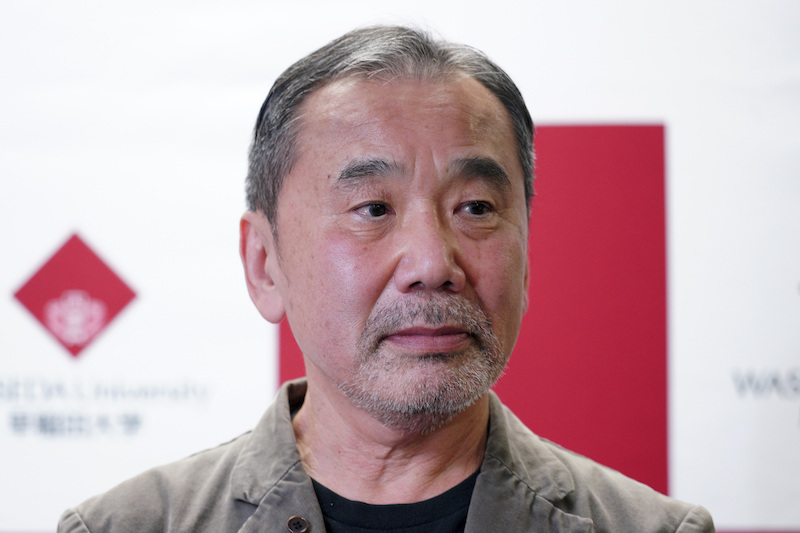
Japanese writer Haruki Murakami has written about many subjects in his career, but he rarely mentions his father in his works.
日本作家村上春樹在他職業生涯中書寫過許多題材,但他鮮少在作品中提到他的父親,
subject(n.)主題;題目
However, Murakami, now 70, has recently disclosed that his father had served as a soldier in the Imperial Japanese Army in China.
然而現年70歲的村上最近在散文中透露他的父親曾以日本軍隊士兵身份在中國服役,
disclose(v.)透露;揭露=reveal
The admission appears in a 28-page autobiographical essay titled “Abandoning A Cat: What I Talk About When I Talk About My Father,” published in the June issue of the literary magazine Bungei Shunju.
長達28頁的自傳性文章,標題為「棄貓——提起父親時我要講的事」,刊登在日本文學雜誌「文藝春秋」的六月號。
essay(n.)論文;散文autobiographical(adj.)自傳性的autobiography(n.)(主人翁自己寫的)自傳biography(n.)(別人寫的)自傳
The article begins with a memory of Murakami’s from when he was in elementary school. He recalls going out with his father, Chiaki to abandon a cat.
文章一開頭村上回憶他小學時與父親村上千秋一起棄貓的記憶,
abandon(v.)拋棄
The father and son returned home, only to find that the cat had already returned to the house.
父子回到家裡,卻發現貓已經回來了。
only to RV 沒想到卻~
Murakami writes about the episode in his signature lyrical style, but his tone changes when he addresses his father’s war experience.
村上春樹以一貫的抒情風格描寫這段經歷,但當在講述父親的戰爭經歷時,語調變得沈重。
episode(n.)事件、一段經歷lyrical(adj.)抒情的address(v.)書寫;觸及;探討=deal with~=touch on
Chiaki Murakami was born in Kyoto in 1917. When he was 20 and still in school, he was drafted into the Japanese army and served as a solder in a transport battalion in 1938.
村上千秋於1917年出生於京都,1938年,當他20歲仍在學時,被日本軍隊徵召,加入日本軍隊,成為運輸兵。
draft(v.)徵兵=recruitbattalion(n.)(軍隊的)營;營部
Murakami writes that his father never mentioned the war experience at home, except once, when Murakami was in elementary school. His father told him that his unit once executed a captured Chinese soldier.
村上春樹寫道,父親在家從未提過戰爭經歷,除了有一次,當村上還在念小學時,父親告訴他,他的部隊曾處決了一名被俘的中國士兵,
except (for)~ (prep.)除了…之外execute(v.)處死 =put…to death
The impression was so strong, the author says, that he feels that his father’s traumas were passed on to him as a boy.
這故事帶給他強烈的印象,以致於他覺得自已身為兒子「繼承了」父親內心的「創傷」。
so adj. that…如此…以致於trauma(n.)精神創傷、心理創傷=mental scarpass sth. on to 把某事物傳給~
Confronting wars and violence has been one of the most important themes running throughout Murakami’s works.
在村上的作品中,面對戰爭和暴力一直是最重要的主題之一。
confront(v.)面對、直面、正視=facerun throughout~貫穿…
“Even with the most unpleasant things, those that people tend to look away from, we have to accept them as part of ourselves. If not, where does the significance of this so-called history lie?” Murakami writes.
村上寫道:「即使是面對黑暗的歷史,那些人們往往選擇逃避的歷史,我們也得接受那是我們的一部分,如果不這樣做的話,那麼這個所謂的「歷史」的意義在哪裡呢?」
significance(n.)重要性;意義=meaning
Murakami’s relationship with his father became further estranged after he became a writer, and for more than 20 years the two did not speak.
成為作家之後,村上與父親的關係變得更加疏遠,超過20年都沒有交談,
estranged(adj.)(因吵架而與親戚朋友)疏遠的=alienated
Their reconciliation only came shortly before his father’s death in 2008.
直到父親於2008年去世前不久才和解。
reconciliation(n.)和解、和好be reconciled with each other重歸於好