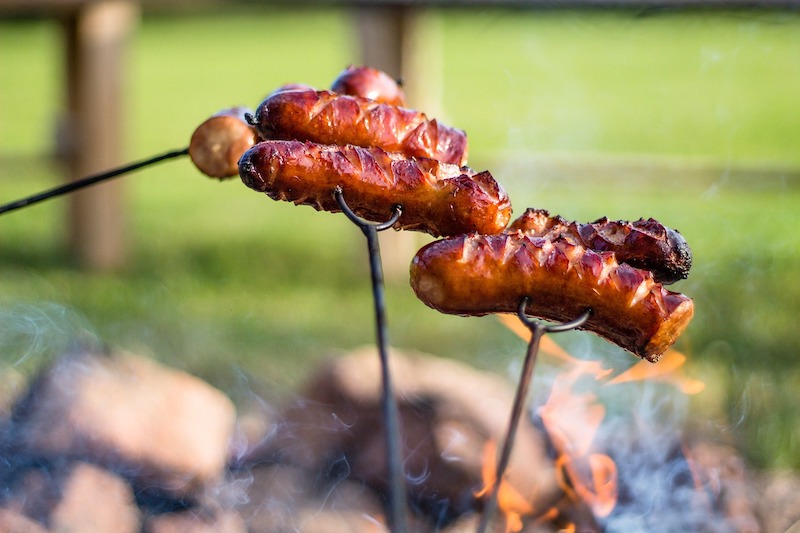
德國屠夫突發奇想
Emily and Kyle are at a diner eating breakfast. They are chatting.
艾蜜莉和凱爾在一間美式餐館吃早餐。他們正在聊天。
diner(n.)(美國的)路邊小餐館dine(v.)用餐dine out外出吃飯=eat outdining room餐廳
Kyle: So Emily, what are you going to get today?
凱爾:艾蜜莉,你今天要點什麼啊?
order(v.)點餐、命令、排序
Emily: The classic breakfast…two pancakes, scrambled eggs and sausage. It’s my favorite breakfast at this diner.
艾蜜莉:經典早餐吧⋯⋯兩片鬆餅、炒蛋加香腸,這是我在這家餐館最愛的早餐。
classic(adj.)經典的scramble(v.)攪拌(食物)、爬行、攀爬
Kyle: Do they serve raccoon sausage here?
凱爾:他們這裡有賣浣熊香腸嗎?
serve(v.)供應、提供(餐點或飲料)server(n.)服務生、伺服器
Emily: What? Why would they have that? Do people even eat that?
艾蜜莉:蛤?他們怎麼會有那個啊?有人會吃那個嗎?
Kyle: Well, I guess they do now. I just heard that a butcher in Germany started making seven products, like sausage and meatballs, from raccoon meat. Customers really like them.
凱爾:其實好像有耶。我剛才聽說德國有位肉販開始用浣熊肉做七種產品,像是香腸和肉丸,客人還挺喜歡的。
butcher(n.)屠夫、肉販(v.)宰殺product(n.)產品、商品dairy products乳製品customer(n.)客人customer feedback 顧客反饋regular customer常客、老顧客
Emily: Interesting. Why did he start using raccoon meat?
艾蜜莉:真奇怪。他為什麼開始用浣熊肉?
Kyle: Germany has a raccoon problem. There are around two million in the country, and they are a danger to other animals.
凱爾:因為德國浣熊太多啦,估計有兩百萬隻,對其他動物還有危險性。
a danger to~對~構成威脅、危險
Emily: Oh! I guess if they need to be hunted, using the meat is good too. Then there is no waste.
艾蜜莉:喔!如果真的需要獵捕牠們,那麼利用牠們的肉也不錯啊,至少不會浪費。
hunt(v.)打獵、捕獵hunt for尋找hunter(n.)獵人waste(n.)(v.)浪費waste of time浪費時間waste of money浪費錢
Kyle: Yep. That’s what the butcher says. So Emily, would you like to try some raccoon sausage?
凱爾:對啊,肉販也是這麼說的。所以,艾蜜莉,你想試試浣熊香腸嗎?
Emily: Ummm. Not today! I’ll stick with the pork sausage, thank you.
艾蜜莉:呃⋯⋯今天就先不要了吧!我還是吃豬肉香腸就好,謝謝。
stick with堅持~、繼續使用~