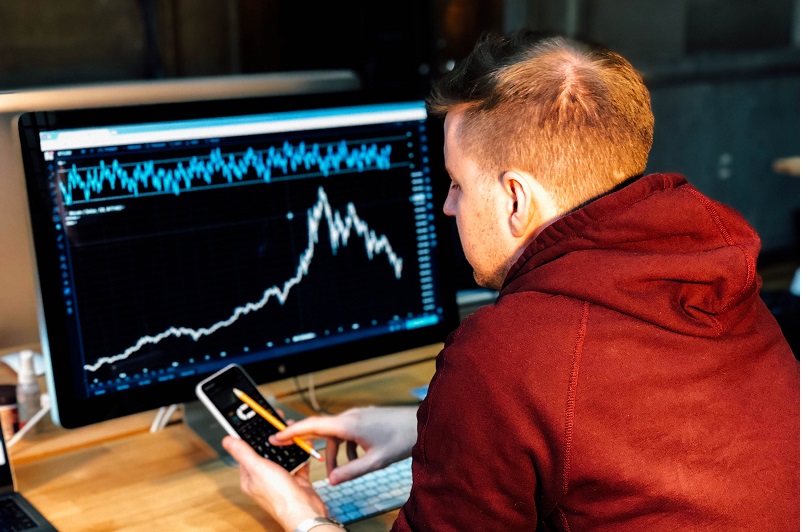
日元又創新低
Jason and Lyla are roommates. Lyla was at a bank.
傑森和萊拉是室友。萊拉剛剛在銀行。
Jason: Were you at the bank again?
傑森:你又跑去銀行嗎?
Lyla: How did you find out? I was there to exchange for some Japanese yen.
萊拉:你怎麼知道?我去銀行兌換一些日元。
Jason: My friend who works at the bank saw you. She said you were there yesterday as well. Why do you need so much yen?
傑森:我銀行工作的朋友看到了你。她說你昨天也有去。為什麼需要換這麼多日元?
Lyla: Yen has hit a new low today, which set a new record against Taiwan dollars. It has been dropping every day since last month.
萊拉:今天日元又創下新低,創下兌台幣的新低紀錄。上個月以來,日幣每天都在跌呢。
set a new record創下新紀錄、break a record破紀錄drop(v.)下降
Jason: How often do currency’s exchange rates go up and down?
傑森:匯率會多久波動一次?
go up and down浮動、上上下下
Lyla: That is a good question. Exchange rates float all the time. There are several factors that can be taken into account.
萊拉:這是個好問題。匯率總是在浮動。許多因素都會影響。
float(v.)浮動、漂浮factor(n.)因素take sth. into account納入考慮
Jason: I’m all ears.
傑森:我洗耳恭聽。
be all ears洗耳恭聽
Lyla: Changes in exchange rates reflect the status of international trade, tourism and other economic factors. Since banks all over the world buy and sell currencies around the clock, of course the rates change constantly.
萊拉:國際貿易、旅遊需求跟其他經濟因素都和匯率波動有關係。由於世界各地的銀行每分每秒都在買賣各種貨幣,利率自然會不斷波動囉。
reflect(v.)反映status(n.)狀態trade(n.)貿易currency(n.)貨幣around the clock全天候、分分秒秒constantly(adv.)一直地
Jason: Thanks! I’d better go exchange for some yen before the rate changes.
傑森:謝謝!我最好在匯率變化太大之前去也兌換一些日元囉。