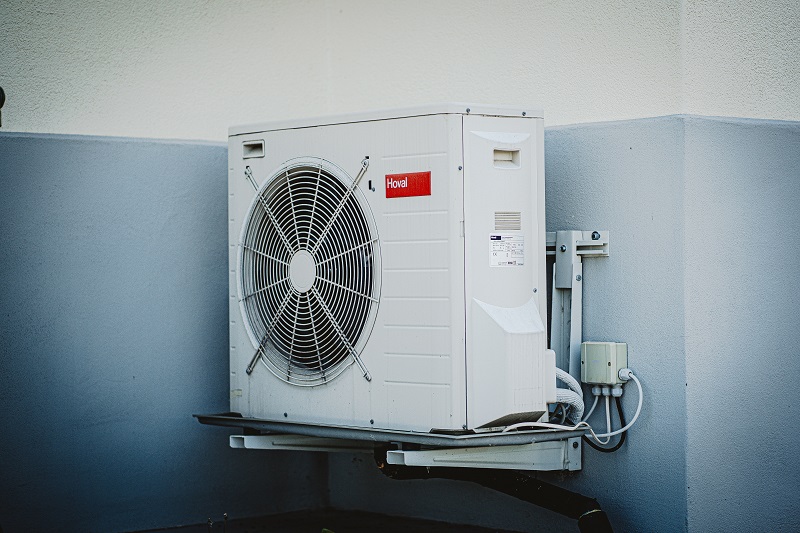
欲哭無淚的帳單
Mark and Diane are roommates. Diane is going out.
馬克和黛安是室友。黛安要出門了。
Diane: Don’t forget to pay the utility bills today. Bye!
黛安:別忘了付水電費。再見!
utility bill水電費
Mark: Wait! Why did you leave your AC on?
馬克:等等!你為什麼把冷氣開著?
Diane: Someone told me that leaving the AC on actually saves more power than having it turned on and off again.
黛安:有人跟我說這樣比又開又關更省電。
save(v.)節省、save sb. sth.、保存=save uppower(n.)能源have(v.)使役、接上受詞後面寫p.p.、have my hair permed燙頭髮
Mark: Well, it depends. Does your AC have a sensor for humans?
馬克:這要看欸。這台冷氣有人體感應器嗎?
It depends.要看情況sensor(n.)感應器
Diane: I don’t think so. Why?
黛安:應該沒有。怎麼了?
Mark: Then your AC won’t go into power-saving mode when you’re gone. It won’t save any power in the end.
馬克:那麼當你離開房間時,冷氣就不會進入省電模式。這樣最後不會省下任何電力啊。
go into進入、mode(n.)模式in the end到頭來、最後
Diane: And it will be like pouring money down the drain.
黛安:該省的錢也沒省到。
pour money down the drain or down the toilet浪費錢
Mark: Exactly. Never leave the AC on if you’re going out for a long time.
馬克:沒錯。如果要長時間外出,就把冷氣關掉。
Diane: I’ll turn it off then.
黛安:我現在去關掉冷氣。
Mark: Otherwise, you’ll cry your eyes out when you see the utility bills next month.
馬克:要不然下一份水電帳單來的時候,你真的會哭出來。
otherwise否則、要不然cry your eyes out嚎啕大哭