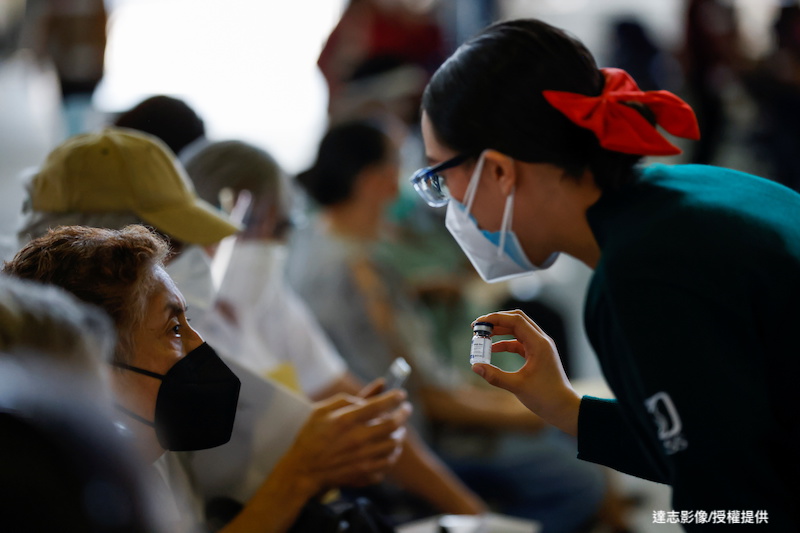
疫苗開始奏效?
The World Health Organization reported that new coronavirus cases have nearly halved globally as some countries have begun to roll out vaccines.
世界衛生組織報告指出,隨著一些國家陸續開始施打疫苗,全球新冠肺炎的新確診病例幾乎減少了一半。
halve(v.)減半;使減半roll out推出(新產品或服務等)vaccine(n.)疫苗
According to the WHO, the number of new Covid-19 cases around the world fell for the fifth consecutive week.
世界衛生組織提供的資料顯示,全球新冠肺炎新確診病例數連續第五週下跌。
consecutive(adj.)連續的、連貫的、無間斷的in a row連續
The number of weekly reported cases has declined to half their peak, from more than 5 million cases in the week of January 4 to 2.6 million cases in the week starting February 8.
1月4日開始當週新確診病例500萬例,達到最高峰,2月8日開始當週病例數260萬,等於確診新病例在5個禮拜內減少了近50%。
decline(v.)(逐漸)減少、降低、衰落peak(n.)頂峰;最高點;高峰reach the peak達到最高峰
Meanwhile, the number of new deaths worldwide also dropped 10% to 81,000.
同時,全球新增死亡人數也下降了10%,降至8萬1千人。
Experts attribute this turnaround to steady improvements in some of the countries that weathered devastating outbreaks this winter.
專家認為新確診人數減少是因為某些在冬天疫情嚴重的國家情況穩定改善所致。
attribute…to... 把~歸因於~turnaround(n.)(突然)好轉;改觀;改善weather(v.)平安渡過(困境)devastating(adj.)毀滅性的;破壞性極大的a devastating earthquake毀滅性的地震
The six worst-hit countries — the United States, the United Kingdom, South Africa, Brazil, Germany and Colombia — have contributed greatly to the total global reduction.
全球新確診病例數銳減,是因為六個疫情最嚴重的國家,包括美國、英國、南非、巴西、德國和哥倫比亞,新確診人數大幅減少。
contribute to…為…帶來貢獻、投稿、促成、投稿reduce(v.) reduction(n.)減少
In these places, a combination of different factors, such as increased practices of social distancing and mask wearing, the seasonality of the virus and the development of natural immunity among people, have helped contain the spread of the virus.
在這些國家,民眾逐漸養成保持社交距離和戴口罩的習慣,病毒的季節性以及人與人間自然免疫力的發展等不同因素結合在一起,有效控制住病毒的傳播。
practice(n.)實施;實踐seasonality(n.)季節性immunity(n.)免疫、免疫力be immune to~對…免疫immune system免疫系統
Experts say that up till now vaccines have not helped to slow down most outbreaks, but they will play a significant role in reducing infections.
專家說,到目前為止,疫苗對減緩疫情並未發揮太大作用,但未來可望在控制感染率方面發揮重要作用。
play a significant role in…在…扮演重要的角色infect(v.)使…感染infection(n.)感染
The immediate challenge will be to keep infections down until more countries are able to roll out vaccination programs.
當前面臨的挑戰是在更多國家能夠實施疫苗接種計劃前,減少感染率。
until(conj.)直到…
While vaccinations have not yet even begun in 130 countries, some nations, mainly wealthy ones, are starting to ramp up vaccination drives.
雖然全球有130個國家根本沒有開始施打疫苗,有些國家,主要是富裕國家,正在擴大實施疫苗接種計畫。
while(conj.)雖然ramp up使增加、擴大drive(n.)計畫
Israel has inoculated nearly 50% of its population with the first dose of the vaccine.
以色列已有近50%的人口施打了第一劑疫苗。
inoculate(v.)為…接種、注射疫苗= vaccinatedose(n.)一劑(藥、疫苗)、劑量overdose(n.)服藥過量
Australia began a nationwide vaccination of the Pfizer vaccine on January 22.
澳洲已於1月22日開始全國接種輝瑞疫苗。
vaccinate(v.)vaccination(n.)接種疫苗、預防接種
In the UK, 17 million people have received the first dose of AstraZeneca’s shot, and 600,000 have been injected with two doses.
在英國,已有1千7百萬人打完首劑AZ疫苗,其中60萬人完成兩劑接種,
inject(v.) injection(n.)注射
The UK government pledged to inoculate all adult citizens with the first dose of the vaccine by the end of July this year, two months ahead of the original schedule.
英國政府承諾在今年7月底前讓國內所有成年人接種首劑疫苗,比原先的時程提早了2個月。
pledge to RV承諾;宣誓=promiseahead of schedule超前進度on schedule按照進度behind schedule進度落後