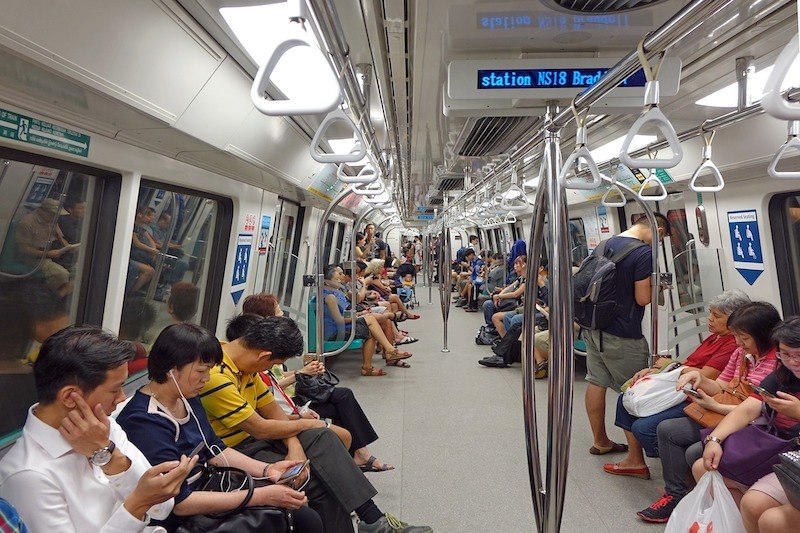
任何有需要的人
Kevin and Lisa are siblings. They are chatting.
凱文和莉莎是兄妹。他們正在聊天。
Kevin: Lisa, I took the MRT just now. Guess what happened on the MRT.
凱文:莉莎,我剛剛搭捷運。猜猜捷運上發生什麼事?
Lisa: What happened?
莉莎:發生什麼事了?
Kevin: A young lady who looked uncomfortable sat in a priority seat, and an old man blamed her for not offering the seat to him. But there were still other seats available.
凱文:有一個看起來不太舒服的年輕小姐坐在博愛座上,然後一位老先生罵她不把位置讓給他坐。但其實還有其他位置可以坐。
comfortable(adj.)舒服的; uncomfortable(adj.)不舒服的blame(v.)責備、怪罪blame sb. for sth.因某事而責怪某人blame sth. on sb.將某事怪罪在某人頭上offer(v.)主動給予、提供available(adj.)可用的、有空的
Lisa: That’s not nice. The current rules about priority seats say that the seats are primarily for the elderly, the infirm, pregnant women, and passengers with children. However, some legislators have proposed a draft that adjusts the wording.
莉莎:那不太好耶。目前關於博愛座的條文表明主要是老弱婦孺可以乘坐博愛座。但是一些立法委員提出調整這些用字的草案。
current(adj.)當前的、現行的primarily(adv.)主要地elderly(n.)(adj.)年長者、年老的infirm(n.)(adj.)體弱者、體弱的legislator(n.)立法委員propose(v.)提出、求婚draft(n.)草案、草稿adjust(v.)調整
Kevin: Then who are the priority seats for?
凱文:那博愛座要給誰坐呢?
Lisa: They wanted to change it to “anyone in need.”
莉莎:他們想改成「任何有需要的人」。
Kevin: That’s better. Maybe it can prevent some people from kicking up a fuss.
凱文:那樣比較好。或許可以避免某些人挑起爭端。
prevent(v.)避免kick up a fuss, row, stink挑起事端
Lisa: Hey, what happened next in your story?
莉莎:嘿,你的故事接下來發生什麼事了?
Kevin: A man on the MRT stood up for the lady and told the old man to sit somewhere else.
凱文:捷運上的一位先生為那位小姐挺身而出,並請老先生去其他地方坐。
stand up for sb.支持某人、維護想法
Lisa: He’s a nice guy.
莉莎:他真是個好人。