流動的水
Patrick is talking to his daughter, Grace, in the kitchen.
派翠克在廚房和他的女兒葛瑞絲說話。
Patrick: Grace, could you help me wash this cabbage?
派翠克:葛瑞絲,你可以幫我洗這顆高麗菜嗎?
Grace: OK. Should I soak it first?
葛瑞絲:好啊。我要先浸泡它嗎?
soak(v.)浸泡
Patrick: No. You have to wash off the pesticides with running water.
派翠克:不用。你要用流動的水洗掉農藥。
Grace: Got it.
葛瑞絲:知道了。
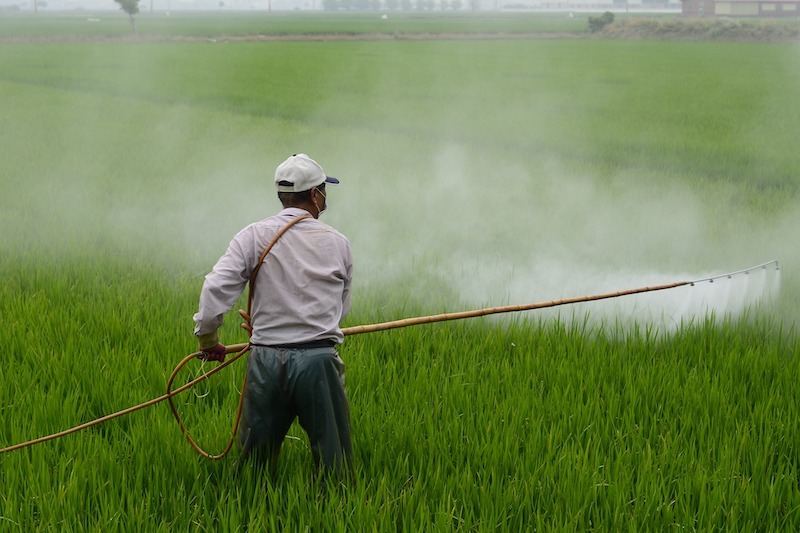
Patrick: The news said that the pesticides left on some vegetables are more than the safety standards set by the government, so we have to wash them carefully to remove pesticides, including their roots and stems.
派翠克:新聞說有些蔬菜殘留的農藥比政府設的安全標準還高,所以我們要仔細清洗,把農藥去除,包括它們的根和莖。
standard(n.)標準below standard在標準以下up to standard標準以上remove(v.)去除root(n.)根stem(n.)莖
Grace: Why don’t we just buy organic vegetables? This way, there’s no risk of eating pesticides accidentally.
葛瑞絲:為什麼我們不買有機蔬菜?這樣就不會有不小心吃到農藥的風險了。
organic(adj.)有機的organic food有機食品organic farm, farmer實行有機栽培的農場、農夫risk(n.)風險accident(n.)意外accidental(adj.)意外的accidentally(adv.)意外地
Patrick: Organic doesn’t mean that the farmers grow them without using pesticides. They might still use a lower dose of pesticides.
派翠克:有機不代表農夫在種植它們的時候沒有使用農藥。他們可能還是會使用比較低劑量的農藥。
without V-ing沒有做某事dose(n.)劑量a low dose低劑量a high dose高劑量
Grace: Wow. So, should I cut it first or wash it first?
葛瑞絲:哇。所以我應該要先切它還是洗它?
Patrick: Wash it first, so the pesticides won’t go into the places you cut.
派翠克:先洗,這樣農藥才不會進到你切開的地方。
Grace: I see.
葛瑞絲:我懂了。