保育與生態旅遊
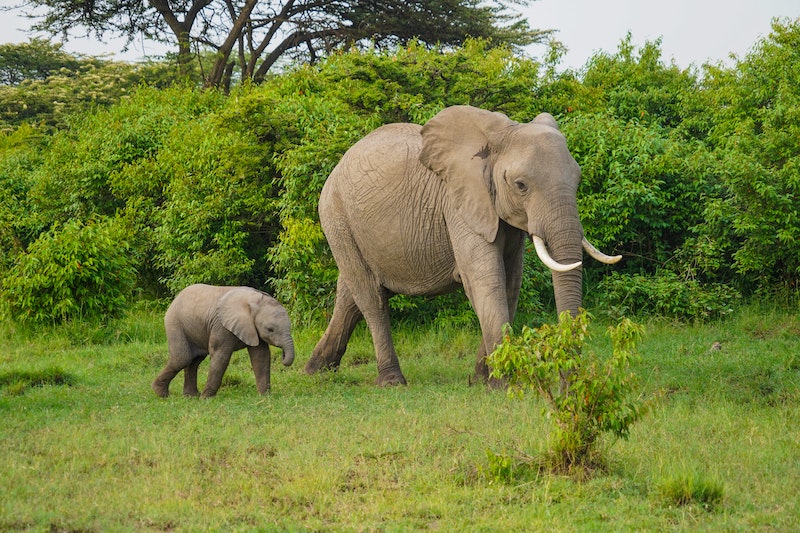
With humans living close to wild Asian elephants, human-elephant conflict has been common in Vietnam.
在越南,人類和野生亞洲象比鄰而居,人象衝突屢見不鮮。
conflict(n.)衝突、分歧conflict of interest利益衝突military conflict軍事衝突common(adj.)常見的、普遍的
The number of elephants is decreasing at an alarming rate as human activities destroy their habitats.
由於人類活動破壞棲息地,大象的數量正以驚人的速度減少。
decrease(v.)(n.)減少、下降increase(v.)(n.)增加、提高at an alarming rate以驚人的速率habitat(n.)棲息地
Therefore, local people are seeking ways to co-exist with the large mammals.
因此,當地人正在尋求方法與大象共存。
large mammal大型哺乳動物
Locals living in the area of Dong Nai Biosphere Reserve in Vietnam are taking measures to manage human-elephant conflict, according to a study published in Global Ecology and Conservation.
一篇發表於《全球生態與保育》期刊的研究指出,越南同奈生物圈保護區的居民正在採取措施處理人象衝突。
measure(n.)措施prevention measure預防措施security measure安全措施
The locals are upgrading elephant habitats by planting elephant food, providing salt licks and water and building wildlife corridors for them.
當地人種植大象的食物、供應鹽磚與水並建造生態廊道,藉此改善大象的棲息地。
upgrade(v.)(n.)升級system upgrade系統升級salt lick鹽磚=mineral lick
The study points out that these measures not only help to protect the elephants, but also improve local farmers’ livelihoods.
研究指出,這些措施不僅有助於大象保育,更可改善當地農民生計。
not only…but also…不但~而且~
For instance, the locals reap financial benefits through services such as participating in conservation work and ecotourism jobs.
例如,當地人投入保育工作和生態旅遊的工作等服務,以此獲得經濟上的好處。
for instance=for examplereap the benefit收穫成果、得到回報participate(v.)參與=take partconservation(n.)保育、保護conserve(v.)保育、保留、保存、節約ecotourism(n.)生態旅遊