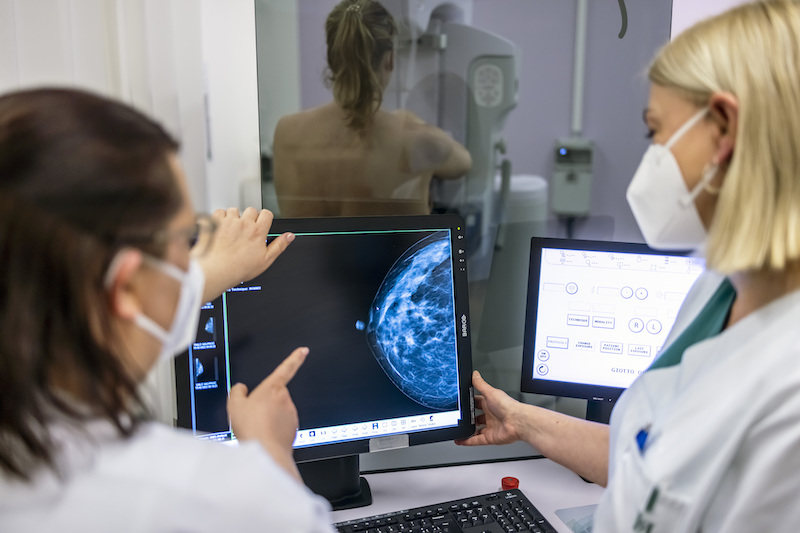
哀悼歌手朱俐靜
Timothy and Leslie are friends. They are watching TV together.
提姆西和蕾絲莉是朋友。他們正在一起看電視。
together(adv.)一起
Leslie: Do you know that the singer Miu Chu passed away recently?
蕾絲莉:你知道歌手朱俐靜最近過世了嗎?
pass away=過世recently(adv.)最近
Timothy: Yes. I listen to her music from time to time. It’s sad to hear about her story.
提姆西:知道。我時不時會去聽她的歌。聽到她的消息很讓人難過。
from time to time=時不時
Leslie: She had been fighting against breast cancer for two years. She was only 38 years old when diagnosed.
蕾絲莉:她已經持續跟乳癌奮鬥兩年了。診斷出來時她才三十八歲。
had been Ving=過去完成進行式fight against=對抗diagnose(v.)診斷
Timothy: I heard that breast cancer in young women is usually harder to treat.
提姆西:我聽說發生於年輕女性身上的乳癌通常較難治療。
treat(v.)治療、對待
Leslie: There have been more and more effective treatments recently, but discovering cancer in the early stage is still the key.
蕾絲莉:近幾年有越來越多有效的治療方式,但及早在癌症初期就發現還是關鍵。
effect(n.)效果、效力effective(adj.)有效的treatment(n.)療法discover(v.)發現stage(n.)階段key(n.)關鍵
Timothy: But I also heard that women in the early stages of breast cancer usually do not have any symptoms.
提姆西:但我也聽說患乳癌初期的女性通常沒有什麼症狀。
symptom(n.)症狀
Leslie: Exactly. That’s why the government has been promoting breast cancer screenings.
蕾絲莉:沒錯。這就是為什麼政府一直在宣導乳癌篩檢。
promote(v.)宣傳screening(n.)篩檢
Timothy: I see. I read it online that people without breast cancer in their family history are unlikely to have breast cancer.
提姆西:了解。我在網上讀到,沒有乳癌家族史的人不太可能會得到乳癌。
history(n.)歷史unlikely(adj.)不太可能的
Leslie: That’s not true. All women are at risk of getting breast cancer, but some may have a higher risk.
蕾絲莉:那不正確,所有女性都有得到乳癌的可能,但某些可能風險較高。
at risk of=具有風險
Timothy: I’m glad I know that now. Is there a way to prevent breast cancer?
提姆西:我很慶幸我現在知道了。有什麼方法能預防乳癌嗎?
way(n.)方式
Leslie: Well, living a healthy lifestyle is a way to go. But it also helps for women to do self-examinations after their period. They should also pay attention to any pain, shape changes, or skin differences in the breasts to discover breast cancer sooner.
蕾絲莉:嗯,健康的生活方式是一個好方法。月經後在家做自我檢查也有幫助。注意乳房是否有任何疼痛、形狀改變、皮膚異常,好盡快發現乳癌。
period(n.)經期pay attention to sth=注意某事物shape(n.)形狀