可望對抗癌症和其他疾病
Kelly and Ethan are university students. They are studying at a café.
凱莉和伊森是大學生。他們正在咖啡館讀書。
Kelly: Ethan, have you heard about the Nobel Prize winners in medicine this year?
凱莉:伊森,你聽說今年諾貝爾醫學獎的得主了嗎?
medicine(n.)醫學、藥物practice medicine行醫=work as a doctordrug(n.)藥物、毒品prescription drug處方藥drug addiction藥物成癮
Ethan: No, I haven’t. I’ve been too busy studying. Who won?
伊森:沒有,我一直在忙著讀書。是誰獲獎?
be busy Ving忙著做~
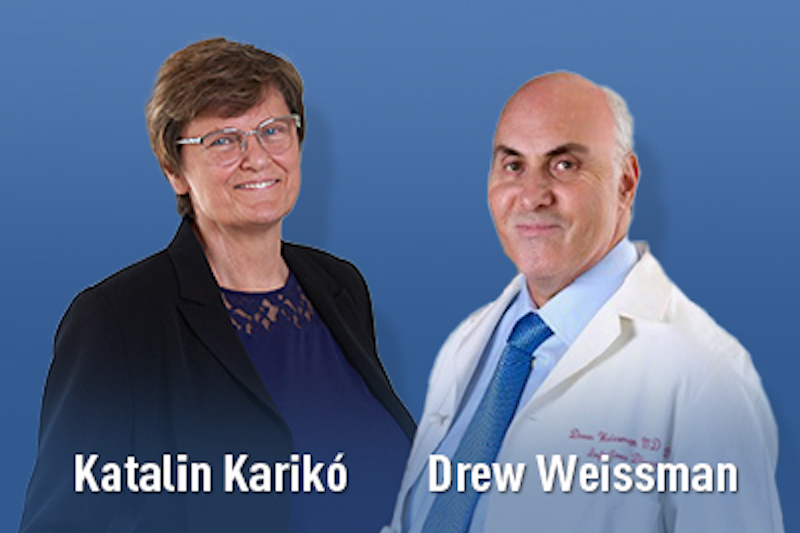
Kelly: The two scientists who developed the mRNA technology used in Covid vaccines — Professors Drew Weissman and Katalin Kariko.
凱莉:是開發新冠疫苗所使用的mRNA技術的兩位科學家 — 德魯·魏斯曼教授和卡塔琳·卡里科教授。
develop(v.)開發、使~成長
Ethan: Wow! That’s a big win for them. That vaccine technology helped a lot of people during the pandemic.
伊森:哇!對他們來說,這真是個大獎。這項疫苗技術在疫情期間幫助了很多人。
win(n.)勝利=victorywin a victory贏得勝利during(prep.)在~期間pandemic(n.)(adj.)大流行病、大規模流行的epidemic(adj.)(n.)肆虐的、流行malaria(n.)瘧疾
Kelly: Exactly. But both of them thought it was a joke when they heard that they won.
凱莉:完全正確。但當他們聽說自己獲獎時,他們兩個都以為是開玩笑。
Ethan: Ha. That’s funny. I don’t know why they would think that. They are brilliant scientists.
伊森:哈,那真有趣。我不知道他們為什麼會這樣想。他們是很優秀的科學家。
brilliant(adj.)優秀的=outstanding
Kelly: I know, right? Their mRNA technology is now being used to help people with cancer and other diseases.
凱莉:沒錯,可不是嗎?他們的mRNA技術現在也被用來幫助患有癌症和其他疾病的病人。
cancer(n.)癌症disease(n.)疾病catch a disease得病=contract a disease
Ethan: Very cool! Maybe you and I can work on vaccines in the future.
伊森:很酷!也許你和我將來可以一起研發疫苗。
work on努力、致力
Kelly: That would be awesome! But we’ll have to study hard if we are going to do that.
凱莉:要是那樣就太棒了!但如果我們要這樣做,就必須努力讀書。
awesome(adj.)令人讚嘆的、了不起的
Ethan: Right! So let’s stop talking and hit the books! Haha.
伊森:對!所以我們不聊了,趕快用功讀書吧!哈哈。
hit the books用功讀書