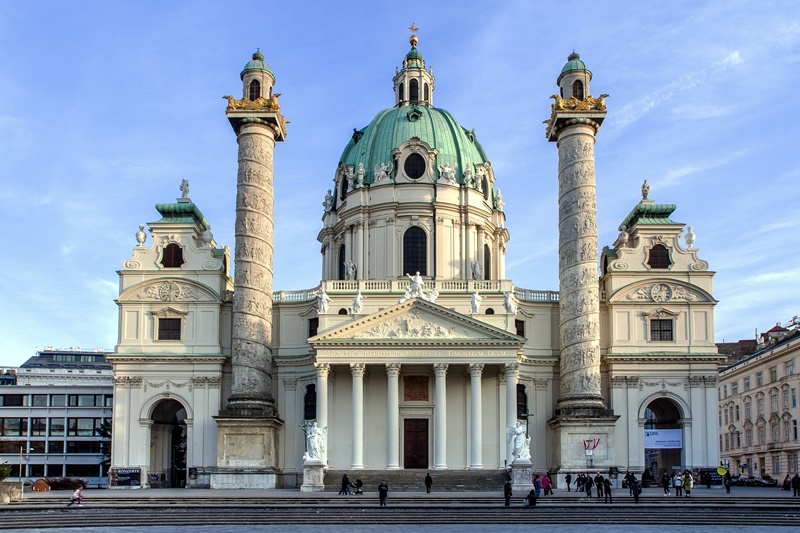
維也納打敗日本
Paula and Peter are on a trip in Melbourne.
寶拉與彼德正在墨爾本旅行。
trip(n.)旅行Melbourne(n.)墨爾本
Paula: The buildings and churches here are magnificent!
寶拉:這裡的建築物和教堂好雄偉哦!
building(n.)建築物church(n.)教堂magnificent(adj.)壯麗的
Peter: Melbourne had been ranked as the world’s most livable city for seven years in a row, from 2011 to 2017.
彼德:墨爾本從2011到2017年,已經連續七年被排名為全球最宜居的城市。
rank(v.)具有…的地位、把…分等級row(n.)一排、一行、一列in a row連續地
Paula: I wish I could live here. So which city beats Melbourne this year?
寶拉:如果可以,我真希望我能住在這裡。那今年哪一個城市打敗了墨爾本?
wish(v.)希望could(aux.)可以、能beat(v.)打敗、擊敗
Peter: The Austrian capital, Vienna. It is one of the safest cities in Europe.
彼德:是奧地利首都,維也納。它是歐洲最安全的城市之一。
Austrian(adj.)奧地利的capital(n.)首都、首府Vienna(n.)維也納
Paula: What is Vienna famous for?
寶拉:維也納以什麼聞名呢?
Peter: It is widely known for its famous Opera House, historic museums and coffee culture.
彼德:它可能由於它的歌劇院、有歷史意義的博物館與咖啡文化而廣為人知。
widely(adv.)廣泛地known(adj.)知道的、聞名的opera(n.)歌劇house(n.)大樓、大廈historic(adj.)有歷史意義的、歷史上著名(或重要)的museum(n.)博物館culture(n.)文化
Paula: It sounds like a city with an ancient history.
寶拉:聽起來像是個有古老歷史的城市。
sound(v.)聽起來like(prep.)像ancient(adj.)古老的、年代久遠的history(n.)歷史
Peter: You’re right. It’s also famous for the Baroque architecture and imperial palaces. Many of them have parts dating back to the 13th century, like the Hofburg Imperial Palace. Many coffee shops were built a hundred years ago.
彼德:妳說對了。它也以巴洛克建築風格和皇宮而聞名。許多皇宮有部分的建造時間可回溯到十三世紀,像是霍夫堡皇宮。很多咖啡店是一百年前所建造的。
baroque(adj.)巴洛克式的architecture(n.)建築風格imperial(adj.)帝國的palace(n.)宮殿date(v.)確定…的年代、推算…形成的時間century(n.)世紀build(v.)建築、建造ago(adv.)以前、從前
Paula: It seems to be a city worth visiting. Let’s plan a trip to Vienna next time!
寶拉:它似乎是個值得拜訪的城市;我們下次規劃一個維也納之旅吧!
seem(v.)似乎、彷彿worth(adj.)值…錢的be worth Ving值得…的plan(v.)計劃、規劃time(n.)次、回合