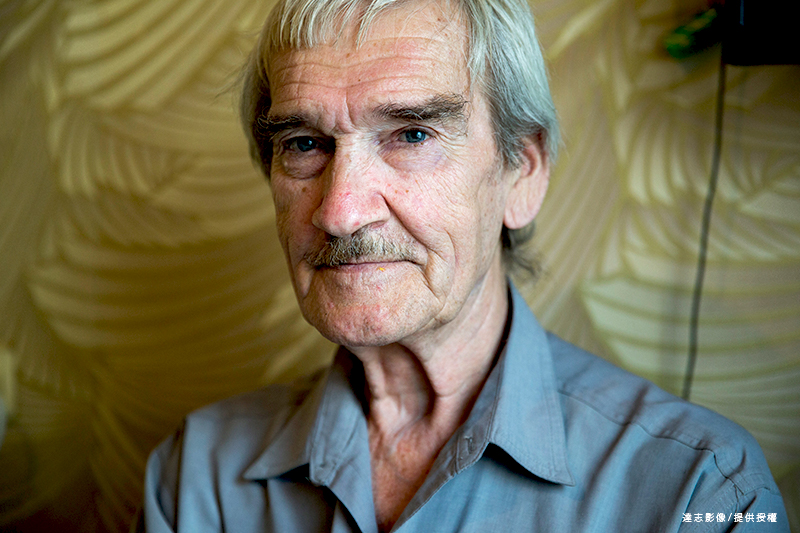
隱瞞核彈來襲,力阻世界大戰
In 1983, a Soviet military officer by the name of Stanislav Petrov saved the world from nuclear war.
1983年,一位名為斯坦尼斯拉夫·彼得羅夫的蘇聯軍官拯救了世界,免去了一場核子戰爭。
Petrov was a 44-year-old lieutenant colonel in the Soviet Air Defense Forces.
彼得羅夫當時44歲,是蘇聯空軍中校。
lieutenant colonel中校
In the early hours of the morning of September 26th, 1983, Petrov was a few hours into his shift as the duty officer at a secret command center outside Moscow.
1983年9月26日大清早,他在莫斯科城外的秘密指揮中心值班了幾小時。
command center指揮中心
Suddenly the alarms went off and computers signaled that a US Minuteman intercontinental ballistic missile was heading their way.
警報突然間響了起來,電腦指示美國向蘇聯發射了一枚「民兵」洲際彈道飛彈。
Minuteman intercontinental ballistic missile民兵洲際彈道飛彈
A few seconds later, the system warned that 4 more missiles had been launched.
幾秒鐘後,系統警告美方又發射了四枚飛彈。
launch(v.)發射
The reliability of the satellites’ information was at the “highest” level.
電腦系統指出衛星資訊的可靠程度已達「最高」級別。
reliability(n.)可靠程度reliable(adj.)可靠的
Petrov only had 25 minutes before detonation. It was his job to tell his superiors, who would report to the general staff of the Soviet military. They would then consult with the Soviet leader, Yuri Andropov, about launching a counterattack.
距離飛彈引爆前,彼得羅夫只有25分鐘。他的職責是通知他的長官,接著長官們會向蘇聯軍隊的參謀部彙報,而參謀部將與蘇聯領導人安德羅波夫商議,是否要反擊。
detonation(n.)引爆consult with~和…商量;徵詢某人意見counterattack(n.)反擊
After five nerve-racking minutes, Colonel Petrov made a gut decision — he decided to report the alert as a system malfunction.
在經過傷透腦筋的五分鐘後,彼得羅夫中校憑直覺決定要回報警報是系統異常。
nerve-racking(adj.)傷腦筋的;令人心煩的gut(n.)直覺;本能=intuitionmalfunction(n.)故障
He judged that if the United States had actually fired their missiles, they would have likely sent many more than five.
他判定如果美國真的發射飛彈,數量很可能不只五枚。
It turned out that the false alarm was caused by the satellite mistaking the sun’s reflection off the tops of clouds for a missile launch.
結果這個假警報竟是在衛星錯把太陽在雲層頂端的反射當作導彈發射時觸發的。
It turned out that…結果竟然… mistake A for B把…誤認為reflection(n.)反射
Historians say that Colonel Petrov’s cool-headed response helped prevent a nuclear war.
歷史學家說彼得羅夫中校冷靜的反應幫助避免了一場核子戰爭。
cool-headed(adj.)冷靜的=calm
Petrov’s role in averting a catastrophe received prominence only in 1998.
彼得羅夫在阻止核戰中所扮演的角色一直到1998年才為世人所知曉。
avert(v.)避開;避免=avoidcatastrophe(n.)大災難=a big disasterprominence(n.)顯著;有名receive or gain prominence 成名=come to prominence=rise to prominence
In 2006, he traveled to the United States to receive an award from the Association of World Citizens, and in 2013 he was awarded the Dresden Peace Prize.
2006年他到美國接受世界公民總會的頒獎,2013年他榮獲德累斯頓和平獎。
award(n.)獎項(v.)頒獎
He was the subject of a 2014 documentary film “The Man Who Saved the World”.
2014年的紀錄片《世界存亡一指間》講述的就是他的故事。
subject(n.)主題