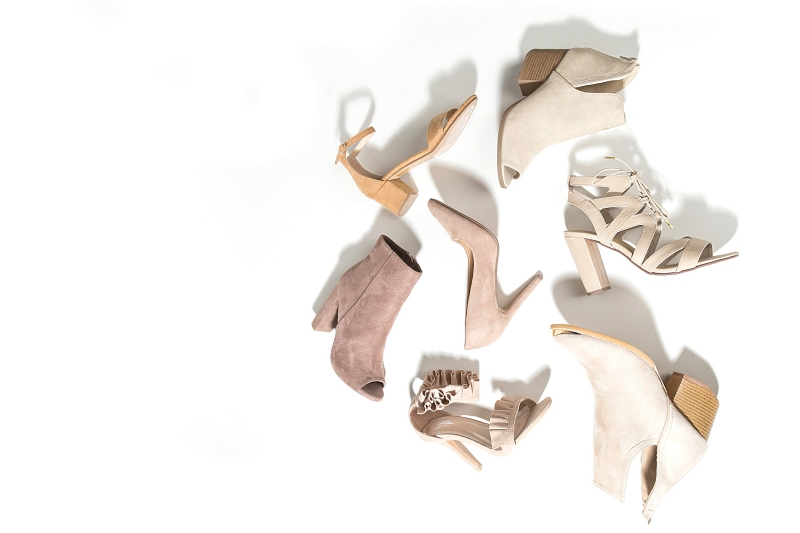
高跟鞋就像「裹小腳」
Carol and Anna are saleswomen at a makeup counter.
卡蘿和安娜是化妝品專櫃的櫃姐。
saleswoman(n.)女推銷員、女售貨員makeup(n.)化妝品=cosmeticscounter(n.)櫃台
Carol: Hey, what are you doing up here?
卡蘿:嘿,你上來這裡做什麼呀?
be V-ing 現在進行式(正在…)
Anna: High heels make my feet hurt, so I came up here to rest my feet a bit.
安娜:高跟鞋讓我的腳好痛,所以我上來讓我的腳休息一下。
high heels高跟鞋hurt(adj.)疼痛的come-came-come來rest(v.)休息a bit稍微
Carol: My feet hurt sometimes. I wish we didn’t have to wear high heels at work.
卡蘿:我的腳有時候也會痛,真希望我們工作時不必穿高跟鞋。
hurt(v.)疼痛I wish 假設語氣(我希望…)
Anna: Well, in Japan, career women have begun a movement called #KuToo on Twitter to protest against wearing high heels at work.
安娜:日本的職業女性在推特上發起了叫做#KuToo的活動,抗議職場上的服裝儀容規定。
career(n.)職業、事業begin-began-begun開始have V-pp 現在完成式(已經…)call(v.)叫做、稱為protest(v.)反對、抗議=oppose, say no to
Carol: I know that female office workers in Japan are required to wear high heels at work. But what does KuToo mean?
卡蘿:我知道她們工作時也要穿高跟鞋。但KuToo是什麼意思呢?
female(adj.)女性的require(v.)要求、規定=demand, askbe V-pp 被動語態(被…)
Anna: It’s made up of the Japanese words for shoe (kutsu) and pain (kutsuu). They see high heels as a kind of “foot-binding” and are eager to get rid of them.
安娜:它是日文的鞋子kutsu與痛苦kutsuu組合而成的一個字。她們覺得穿高跟鞋就跟「裹小腳」一樣,非常希望上班時可以不穿高跟鞋。
make up of sth.由…組成=be composed of sth.bind(v.)綑綁、束縛be eager to渴望…=be keen to, be dying toget rid of擺脫、丟棄=throw away, remove
Carol: Indeed. Wearing uncomfortable shoes shouldn’t be made a rule.
卡蘿:的確,穿不舒服的鞋子上班不應該是一種規定。
indeed(adv.)確實、當然uncomfortable(adj.)不舒服的rule(n.)規則、規定
Anna: Exactly! Perhaps it’s time for us to call for a change in our dress code, too.
安娜:是啊!也許我們也該針對服裝儀容規定,發起改變的運動。
call for呼籲、要求=demand, requirechange(n.)變動、改變dress code衣著規範、穿著要求