反映社會脈動
Roger and Kelly are friends. They are chatting.
羅傑和凱莉是朋友。他們正在聊天。
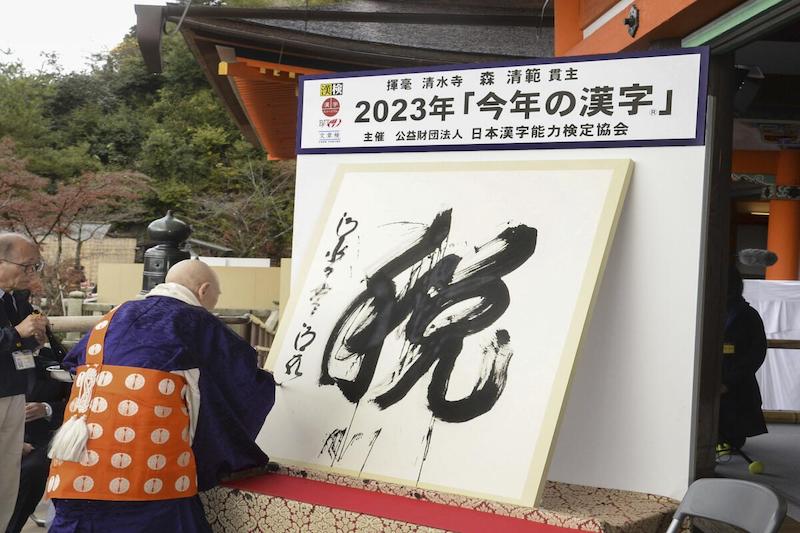
Roger: Hey, Kelly, did you hear about the kanji of 2023 in Japan?
羅傑:嘿,凱莉,你聽說日本的2023年度漢字了嗎?
Kelly: No, what is it?
凱莉:沒有,是什麼?
Roger: It’s “税,” which means tax.
羅傑:是「税」,也就是稅。
tax(n.)税tariff(n.)關稅
Kelly: Tax? Interesting choice. Why did they pick that?
凱莉:稅?有趣的選擇。為什麼他們選了那個字?
pick(v.)選擇、挑出、從~摘下
Roger: Well, it shows what people are worried about. I guess taxes are on their minds.
羅傑:嗯,它顯示了人們擔心的事情。我想是因為大家在意稅。
sth. be on one’s mind把~放在心上get sth. out of one’s mind不再去想~
Kelly: Huh, it makes sense. What were the other choices?
凱莉:嗯,有道理。其他的選擇還有哪些?
make sense 有道理、說得通
Roger: “暑” for summer, because of the really hot summer, and “戦” for war were among them.
羅傑:有「暑」,因為今年夏天很熱,還有「戦」,代表戰爭,都是其中的選項。
war(n.)戰爭
Kelly: Those are quite different. What was the second most popular?
凱莉:這些都挺不一樣的。第二受歡迎的是什麼?
popular(adj.)受歡迎的=favored
Roger: “暑,” for the hot summer. It’s cool how a word can stand for a whole year.
羅傑:「暑」,代表炎熱的夏天。一個字能代表一整年真的很酷。
stand for 代表
Kelly: True, it shows what’s going on in society.
凱莉:對啊,文字反映了社會在發生什麼事。
society(n.)社會social(adj.)社會的、社交的、群居的social life社交生活