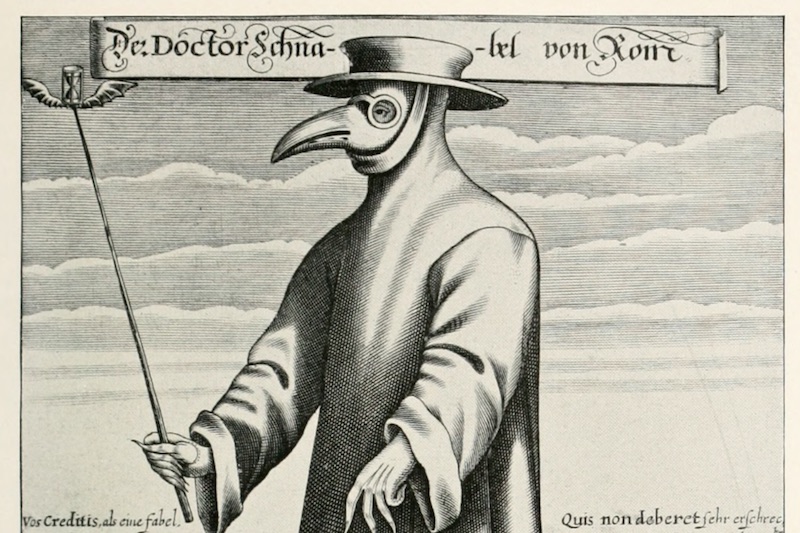
歐洲近1/3人口死亡
The Black Death, or the bubonic plague, is one of the deadliest pandemics in human history.
黑死病(或稱線鼠疫)是人類歷史上最致命的大規模流行病之一,
plague(n.)瘟疫deadly(adj.)致命的;致死的epidemic(n.)流行病
It spread throughout Europe and Asia in the mid-1300s, wiping out an estimated 25 million people, or nearly a third of the continent’s population.
疫情擴及14世紀中葉的歐洲與亞洲,奪走約2,500萬人的性命,相當於當時歐洲近三分之一的人口。
spread(v.)(n.)擴散;傳播;傳染wipe out=殲滅;消滅population(n.)人口
The plague arrived in Europe in October 1347, when 12 ships returning from the Black Sea stopped in Italy.
歐洲於1347年10月爆發瘟疫,當時有12艘船從黑海返航停靠在義大利。
arrive(v.)抵達;到達return(v.)返回
The locals were shocked by what they saw. Most of the sailors aboard the ships were dead, and those still alive were seriously ill.
當地人對他們所見的一切感到震驚,船上多數船員已死亡,活著的人身染重病。
local(adj.)本土的;本地的shock(v.)驚愕;震驚seriously(adv.)嚴重地mildly(adv.)輕微的
The authorities quickly ordered the “death ships” to leave the city, but it was too late.
當局緊急下令,要那些船駛離,但一切都太晚了。
order(v.)命令;指示
For five years, the disease made its way across the continent.
五年間,黑死病肆虐整個歐洲。
disease(n.)疾病make one’s way=前進
No one knew how it spread or how to treat it.
沒人知道疾病是怎麼傳染的,也沒人知道怎麼醫治。
spread(v.)擴散;傳播;傳染treat(v.)治療treatment(n.)治療
Many believed it was a punishment from God.
多數人相信這場瘟疫是上帝的懲罰。
punishment(n.)懲罰;懲處
It wasn’t until much later that a scientist discovered the cause of the sickness was from a type of bacteria.
不久後,一位科學家發現該疾病是經由一種細菌傳染的,
discover(v.)發現;找到cause(n.)原因bacteria(n.)細菌virus(n.)病毒
People got the disease when they came into contact with infected people, animals or insects.
當人們接觸了染疫者、動物或昆蟲,就會染上黑死病。
come into contact with sth. or sb.=接觸某事或某人infect(v.)感染be infected with=受~感染infection(n.)感染infectious(adj.)具有傳染性的