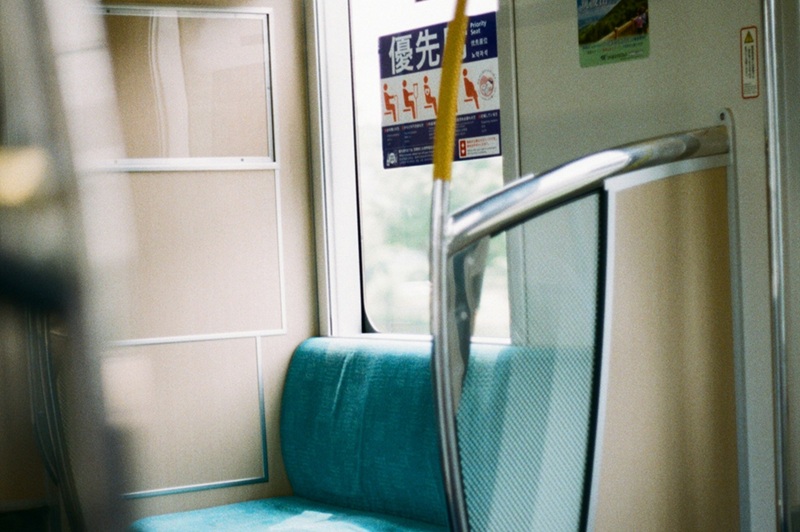
博愛座改名
In Taiwan, special seats on buses and trains were once called “courtesy seats” in Mandarin, but the government has now changed the name to “priority seats.”
在台灣,公車和火車上的專用座位過去國語稱為「博愛座」,但政府現在將名稱改為「優先席」。
used to VR表示過去經常做某事,但現在不再做了once(adv.)曾經courtesy(n.)禮貌priority(n.)優先事項、優先權top priority最優先的事項(項目)
This change means the seats are for more people who need them — not just elderly and disabled passengers, but also pregnant women, children, and others who may need a seat.
這個改變代表提供這些座位給更多需要的人,不僅是年長者和身心障礙者,孕婦、孩童及其他需要座位的人也適用。
passenger(n.)乘客elderly(adj.)年長的disabled(adj.)身心障礙的/disable(v.)使傷殘、使失去能力able(adj.)可以的/unable(adj.)不可以的disability(n.)殘疾、殘障
Before this change, there were some problems with the special seats.
在改名之前,博愛座曾出現一些問題。
Some older people believed that young people should never sit in these seats, even if they were tired or feeling unwell.
有些年長者認為年輕人即使感到疲累或不舒服,也不該坐這些座位。
even if即使under the weather身體不舒服
Sometimes, older passengers scolded or forced young people to give up their seats.
有時候,年長的乘客會責備或逼迫年輕人讓出座位。
scold(v.)責備、訓斥force sb. to VR強迫某人做某事give up+N/V-ing放棄做某事
These conflicts made traveling an unpleasant experience for many people.
類似衝突讓許多人的搭車經驗變得不愉快。
conflict(n.)衝突unpleasant(adj.)令人不愉快的
To improve the situation, the government will also put up new signs to explain who should use the priority seats.
為了改善這種情況,政府將設置新的標示,清楚說明誰應使用優先席。
improve(v.)改善put up設置
The Health Minister said this is a step toward making society kinder and more caring.
衛福部長表示,這是朝向更有愛心、更關懷的社會邁出的一步。
People are encouraged to offer these seats to those who need them most.
呼籲大家將座位讓給真正需要的人。
encourage(v.)鼓勵
There is also a plan to increase the number of priority seats to at least 15% of all seats on public transport.
此外,政府計畫將優先席比例提高到至少15%。
increase(v.)(n.)增加、提高decrease(v.)(n.)減少
Many groups and politicians support this idea.
此方案獲得多方團體及政治人物支持。
Taiwan hopes these changes will make public transportation fairer and more comfortable for everyone.
台灣希望這些改變能讓大眾運輸更公平、舒適,造福所有乘客。
fair(adj.)公平的