烤孔雀與叫化刺蝟
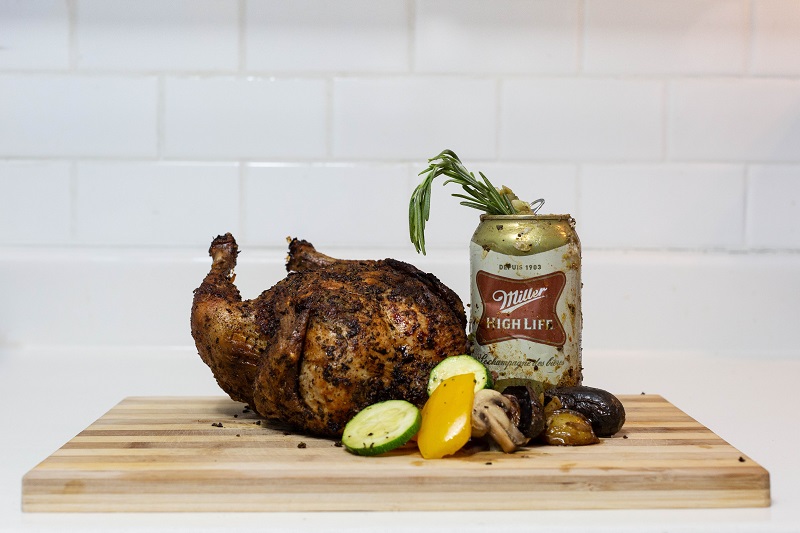
Emily and Daniel are hanging out at a restaurant, eating grilled chicken and chatting.
艾蜜莉和丹尼爾在餐廳裡消磨時間,吃著烤雞聊天。
hang out出入(某場所)、(與某人)廝混、(把衣服)拿到外面晾
Emily: Hey, have you heard of this Victorian-era British dish called Roasted Peacock?
艾蜜莉:嘿,你聽說過這個叫做烤孔雀的維多利亞時代英國菜餚嗎?
roast(v.)烘、烤、焙peacock(n.)孔雀
Daniel: No way, that sounds ancient. What is it?
丹尼爾:不會吧,聽起來好古老。那是什麼?
ancient(adj.)古代的、古老的、年代久遠的
Emily: It’s a dish where they roast a whole peacock and serve it as the main dish.
艾蜜莉:那是一道他們把整隻孔雀烤熟後當作主菜的菜餚。
serve(v.)提供main(adj.)主要的、最重要的、最大的
Daniel: That’s wild! Is it still a thing now?
丹尼爾:太瘋狂了!現在還有這道菜嗎?
wild(adj.)瘋狂的、野生的a thing一種潮流、時尚、新玩意
Emily: Nah, not really. It was more popular back then because peacocks were a symbol of wealth.
艾蜜莉:不,沒有。它在當時更受歡迎是因為孔雀是財富的象徵。
symbol(n.)標誌、象徵symbolize(v.)象徵、代表wealth(n.)財富、錢財wealthy(adj.)富有的、有錢的
Daniel: Got it. Was it hard to cook?
丹尼爾:明白了。烹飪起來會很困難嗎?
Emily: Yeah, it was a ton of work. They had to peel off the feathers and skin of the peacock, gut it, and stuff it with different ingredients before roasting it for hours.
艾蜜莉:會,這需要大量的功夫。在烤好幾個小時之前,他們必須把孔雀的羽毛和皮剝下來,取出牠的內臟,然後用不同的配料填充。
a ton of一公噸的、一大堆的peel off除去、剝去gut(n.)消化道、腸道、直覺、本能(v.)取出…的內臟stuff(n.)物品、東西(v.)裝滿、填滿、塞滿ingredient(n.)(食品的)成分、材料
Daniel: Wow, that sounds like plenty of work. I heard they also had a dish called Roasted Hedgehog.
丹尼爾:哇,聽起來真的很費工夫。我聽說他們還有一道叫做「叫化刺蝟」的菜餚。
plenty of sth.豐富、充足、大量的某物hedgehog(n.)刺蝟
Emily: Yup, it was popular during World War II when protein was scarce.
艾蜜莉:是的,它在第二次世界大戰期間,當蛋白質稀缺時很流行。
scarce(adj.)稀有的、罕見的
Daniel: How do you even cook a hedgehog?
丹尼爾:要怎麼烹飪刺蝟呢?
Emily: After cleaning and skinning it, you wrap it in wet clay and bake it until the clay hardens.
艾蜜莉:清理和去皮後,把牠包在帶水分的陶土中,然後烤到陶土硬化。
skin(n.)皮膚、皮(v.)剝掉、去掉…的皮harden(v.)(使)變硬soften(v.)(使)變軟
Daniel: What happens after the clay hardens?
丹尼爾:陶土硬化後要做什麼?
Emily: You remove the clay along with the quills and skin, and then you can roast it like chicken or rabbit or make it into a meat pie.
艾蜜莉:陶土連同刺蝟上的刺跟皮一起去除,然後你可以像雞、兔子一樣烤牠,或者把牠做成肉派。
remove(v.)移開、去除quill(n.)刺
Daniel: I think I’ll pass on that, but it’s interesting to learn about these old-school dishes.
丹尼爾:我想我還是算了吧,但了解這些老派菜餚真的很有趣。
pass on sth.放棄某事的機會、決定不參加某事old-school(adj.)舊式的、過時的、老派的、復古的