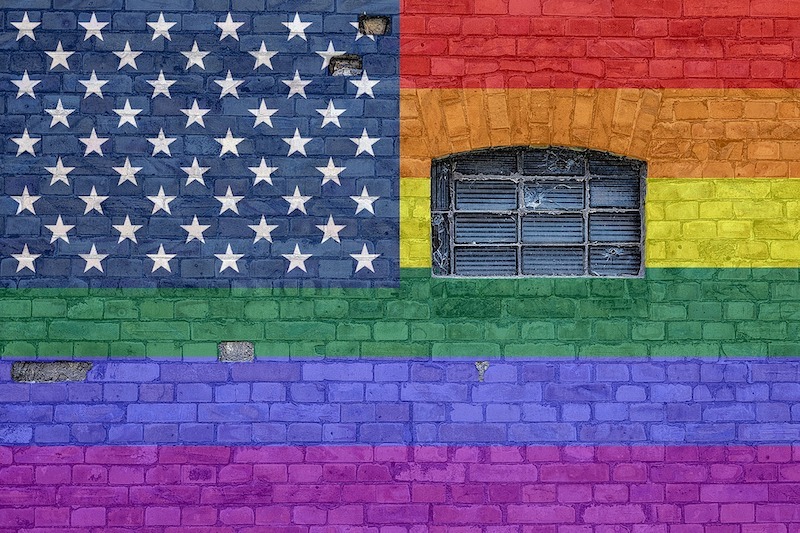
尊重不同的聲音
Ian and Lesley are a couple. They are watching Peppa Pig with their daughter.
伊恩和萊絲莉是一對夫妻。他們正和女兒一起看《粉紅豬小妹》。
Ian: Lesley, are the polar bears on TV same-sex parents?
伊恩:萊絲莉,電視上的北極熊是同志家長嗎?
polar bear北極熊
Lesley: I guess so. The little polar bear, who might be their daughter, said, “I live with my mummy and my other mummy.”
萊絲莉:我猜是的。應該是她們女兒的小北極熊說:「我和我媽咪和另一個媽咪住在一起。」
mummy(= mommy)(n.)媽媽、媽咪、木乃伊
Ian: Wow, that’s fantastic. I guess it will lead to an online discussion soon.
伊恩:哇,那真棒。我猜這很快就會在網路上引起一番討論。
fantastic(adj.)極好的lead to sth.導致某事discussion(n.)討論discuss(v.)討論
Lesley: Well, I think what they show are the realities of different kinds of families nowadays.
萊絲莉:嗯,我覺得他們呈現出了現在有不同類型家庭的事實。
reality(n.)現實、事實different(adj.)不同的
Ian: That’s true. Cartoons influence children a lot. If they just presented families with a single parent or two parents of different sexes, kids might think only those kinds of families are normal.
伊恩:是啊。卡通對孩子的影響很大。如果它們只呈現單親或是兩個不同性別父母的家庭的話,小孩會覺得只有那些家庭才是正常的。
influence(n.)(v.)影響have influence on sb. or sth.對某人或某物有影響present(n.)(v.)禮物、呈現single(adj.)單一的、單身的single-parent family單親家庭nuclear family小家庭(核心家庭)extended family大家庭grandparent family隔代教養家庭normal(adj.)正常的、通常的
Lesley: Some people might disagree with you. After all, the opinions about this issue differ.
萊絲莉:有些人可能會反對你的想法,畢竟關於這個議題有各種不一樣的意見。
disagree(v.)不同意、不認同agree(v.)同意、認同opinion(n.)意見、看法issue(n.)議題differ(v.)與~不同、意見分歧
Ian: I think so, too. Some might praise the cartoon while others might show their dislike.
伊恩:我也這麼覺得。有些人可能會覺得卡通做得很好,而另外一些人可能會表現他們的不贊同。
praise(v.)(n.)讚揚、讚美while(conj.)然而、但是dislike(v.)(n.)討厭、不喜歡
Lesley: No matter what people think about it, showing respect for different voices is important.
萊絲莉:不論人們怎麼想,尊重不同的聲音很重要。
respect(n.)(v.)尊重、尊敬show respect for sb. or sth.對某人或某事表示尊重voice(n.)嗓音、意見
Ian: You’re right.
伊恩:沒錯。
Lesley: Let’s continue to watch TV!
萊絲莉:我們繼續看電視吧!
continue(v.)繼續