韓國也有類似文化
Andy and Judy are friends. Andy’s wife just gave birth to a baby.
安迪和茱蒂是朋友。安迪的妻子剛生了個寶寶。
give birth 生產
Judy: Hey Andy, now that your wife just had the baby, do you know about the special food new moms eat in Taiwan?
茱蒂:嘿安迪,現在你妻子生了寶寶,你知道在台灣剛生小孩的媽媽都吃什麼特別的食物嗎?
now that既然
Andy: No, not really. What’s that about?
安迪:不太清楚,吃什麼呢?
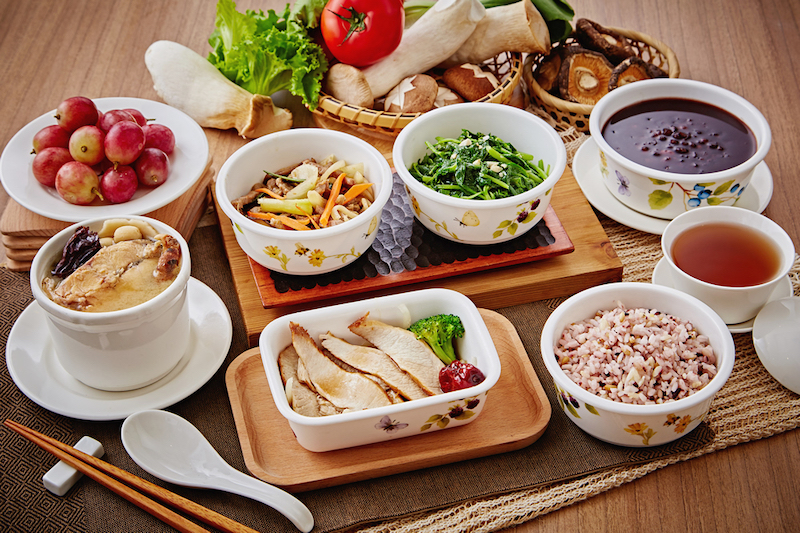
Judy: It’s called “postpartum meals.” They eat dishes like fish soup, chicken soup with goji berries, and pork rib soup with green papaya. Those are all very healthy.
茱蒂:那叫做「月子餐」。他們吃的菜有魚湯、枸杞雞湯和青木瓜排骨湯。那些都很有營養。
healthy(adj.)健康的health(n.)健康stay in good health維持健康=stay healthy
Andy: Oh, I see. So, they are good for their health and help with feeding the baby, right?
安迪:喔,我懂了。所以,這些食物對他們的健康有益,也有助於哺乳,對吧?
help sb. (to) V.幫助某人做~help sb. with N.幫助某事feed(v.)餵養
Judy: Exactly. And it’s not just in Taiwan; in Korea, new moms also have their own special food. They eat things like seaweed, pumpkin, and beef. It’s all to help them get stronger and stay healthy.
茱蒂:對呀。而且不僅僅是在台灣;在韓國,剛生小孩的媽媽也有他們自己的特別食物。他們會吃海帶、南瓜和牛肉等等。都是為了讓她們恢復體力,保持健康。
strong(adj.)強壯的、味道濃烈的
Andy: Wow, that’s interesting! Thanks for filling me in, Judy.
安迪:哇,真有意思!謝謝你告訴我,茱蒂。
fill sb. in提供某人資訊
Judy: No problem, Andy. Anytime you want to know more, just ask!
茱蒂:別客氣,安迪。你想知道更多,隨時問我就好!
ask(v.)詢問、要求ask sb. to V.要求某人做~