韓式新口味
Peter and Emma are friends. They are at a convenience store.
彼得和艾瑪是朋友。他們在便利商店。
Peter: Emma, do you often eat food at convenience stores?
彼得:艾瑪,你很常吃便利商店的食物嗎?
Emma: Yes. Sometimes I’m in a rush, and I grab my lunch at a convenience store.
艾瑪:對啊。有時候我趕時間,就到便利商店快速吃午餐。
in a rush趕時間、匆匆忙忙in a hurry趕時間grab(v.)(藉機)趕緊、抓住
Peter: Convenience stores have a wide range of food. It’s hard for me to make a decision. What do you usually eat?
彼得:便利商店有很多不同的食物。我很難做決定。你通常都吃什麼?
a wide range of很多不同的decision(n.)決定make a decision作出決定
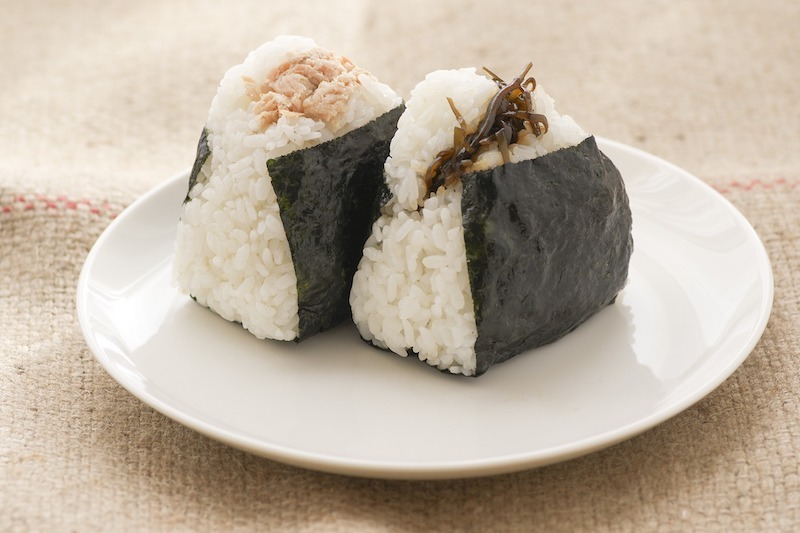
Emma: I often eat onigiri. There are a variety of fillings in them.
艾瑪:我常吃御飯糰。飯糰有很多各式各樣的餡料。
a variety of各種各樣的various(adj.)各式各樣的filling(n.)餡料
Peter: Oh, I like onigiri as well. But don’t you think they are a bit small for a meal?
彼得:噢,我也喜歡御飯糰。但你不覺得它對一餐來說份量有點小嗎?
Emma: That’s true. And they have gotten more expensive. A pork floss one used to be about $20, but now it costs $30.
艾瑪:那倒是。而且漲價了。肉鬆飯糰以前只要20元,但現在要30元。
pork floss肉鬆used to以前
Peter: Wow. That’s a little pricey. But I think the packaging is quite special. The wrapper separates the rice and seaweed.
彼得:哇,的確有點貴。但我覺得包裝也很特別。包裝紙隔開飯和海苔。
pricey(adj.)價格高的wrap(v.)用~包裹wrapper(n.)包裝紙separate(v.)(使)分離、分開separate A from B將A與B分開seaweed(n.)海草、海苔
Emma: It can keep the seaweed crispy. Actually, I didn’t know how to open it when I ate it for the first time.
艾瑪:那可以讓海苔保持脆度。其實我第一次吃的時候不知道怎麼開。
crispy(adj.)酥脆的
Peter: I didn’t know, either. Hey, have you tried Family Mart’s latest filling? They recently co-branded with a Korean YouTuber and launched a Korean-style onigiri.
彼得:我也不知道。你有試過全家最新的餡料口味了嗎?他們最近跟一名韓國YouTuber合作,推出韓式御飯糰。
co-brand(v.)聯名coexist(v.)共存coworker(n.)同事launch(v.)推出、發起-style~式的、~風格的
Emma: Not yet. I will taste it next time.
艾瑪:還沒。我下次會嚐嚐看。