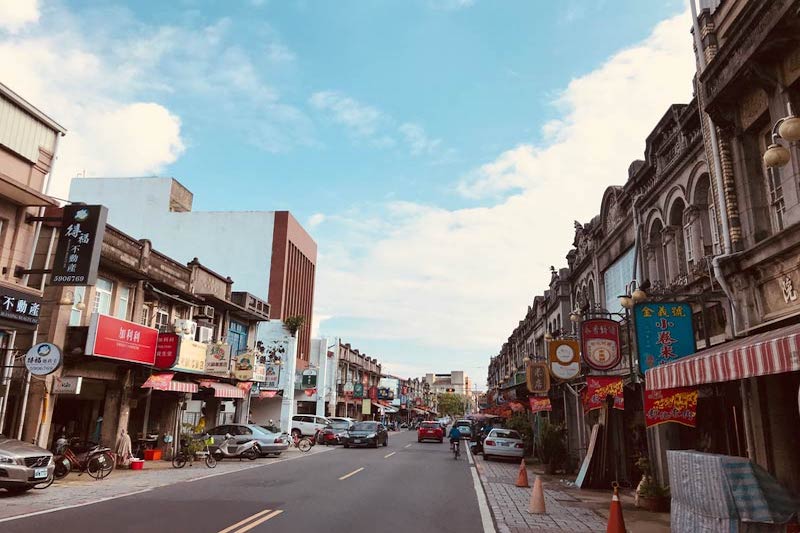
便宜實用的代價
Sean and Maggie are friends. They are chatting.
肖恩和梅姬是朋友。他們正在聊天。
Sean: Hey, Maggie, did you see that post about some tourists not liking the old buildings in Taiwan?
肖恩:嘿,梅姬,你看到那篇有些旅客不喜歡台灣老建築的文章了嗎?
tourist(n.)旅客、觀光客tourist spot旅遊景點tourist attraction觀光景點tourist center旅客服務中心tour(n.)觀光、旅行、巡迴演出
Maggie: Yeah, I saw it!
梅姬:有,我有看到!
Sean: The post says during Taiwan’s fast growth, people didn’t care much about how buildings looked. They just wanted them to be cheap and practical.
肖恩:文章提到是在台灣迅速成長的時期,人們並不太在意建築的外觀。他們只想要它們便宜實用。
practical(adj.)實務的、實際的
Maggie: And the tin houses and extra structures make the city look mixed up.
梅姬:而且鐵皮屋和其他額外的結構讓城市看起來很混亂。
tin(n.)錫structure(n.)結構mixed up混亂
Sean: Right! It’s hard to change old buildings because people own the land. Unless it’s not safe, many people prefer to spend money inside the house, not outside.
肖恩:對!改造老建築很難,因為人們擁有土地。除非不安全,很多人寧願花錢在房子裡面,而不是外觀。
unless(conj.)除非prefer to偏好、寧願
Maggie: Changing things sounds difficult with the cost and rules.
梅姬:改造聽起來很麻煩,要花錢,還要符合法規。
cost(n.)費用、成本cost an arm and a leg花費大量金錢
Sean: Yeah, some comments say tin houses are cheap, and fixing old buildings gives you more space than building new ones.
肖恩:是啊,有些評論說鐵皮屋比較便宜,而且整修老建築比蓋新的有更多的空間。
comment(n.)(v.)評論、意見、發表評論
Maggie: It’s a hard problem with different ideas. Do you think there’s a solution?
梅姬:這是一個難題,有不同的想法。你覺得有解決辦法嗎?
solution(n.)解決方法solve(v.)解決
Sean: It seems tough, and like someone said, the government might not have one.
肖恩:看起來很難,就像有人說的,政府可能沒有解決辦法。
tough(adj.)困難的、棘手的
Maggie: Right, for many, it’s the charm of living in Taiwan. Each building has its own story.
梅姬:對,對很多人來說,這就是在台灣生活的魅力。每一棟建築都有它自己的故事。
charm(n.)魅力
Sean: Well said! It’s what makes Taiwan unique.
肖恩:說得好!這就是台灣獨特的風格。
unique(adj.)獨一無二的、與眾不同的