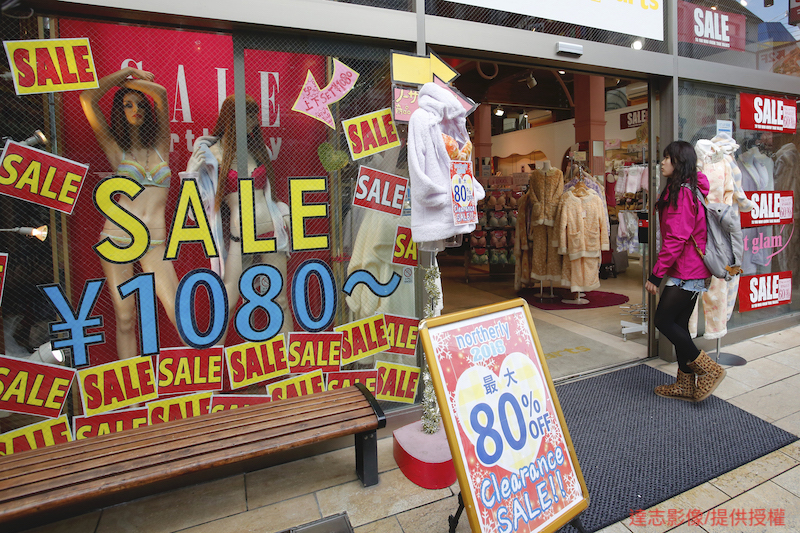
年增4兆6千億日圓稅收
Japan raised its consumption tax from 8% to 10% on October 1 in a bid to meet the ever-growing costs of its welfare programs.
為平衡漸增的社福支出,日本於10月1日起將消費稅從8%調漲至10%,
raise(v.)提高、抬高、增加pay raise加薪,ask for a raise要求加薪in a bid to=in order to為了⋯⋯welfare(n.)社會福利
The policy was implemented amid concerns that the country’s economy could take a downturn as a result.
但許多人擔憂的是,這項政策實施後將造成日本經濟衰退。
implement(v.)實施,be implemented=be carried out= be enforced=be put into practiceeffect…amid=in the middle of=in the midst 在⋯⋯之中、在…背景之下
The government has implemented a series of policies alongside the new tax scheme.
消費稅確定調升後,日本政府也推出一系列配套政策。
implement(v.)實施alongside= along with or together with一起scheme(n.)方案=official plan or system
The 10% tax rate applies to most goods and services, ranging from clothes to consumer electronics to medical treatment.
基本上,多數商品及服務舉凡衣物、消費電子產品及醫療服務的消費稅率都調漲至10%。
apply(v.)法律或規定,apply to sb. 適用在~對象之上goods=productsranging from=which range from A to B
Meanwhile, to soften its impact on the ordinary consumer, grocery items such as food and non-alcoholic drinks are exempt from the tax hike and continue to be taxed at 8%.
同時,為降低對日常消費的衝擊,食品與非酒精飲品等雜貨不在此限,將維持原本的8%稅率。
soften(v.)緩和、軟化,soft形容詞+en字尾變動詞=reduce=lessen=mitigatebe exempt from排除在外
Tax rates also vary according to the location where food is consumed. A meal on the premises is taxable at 10%, whereas a take-out pizza, for example, is subject to the original 8% rate.
而稅率也會因食品的消費地點而有不同,例如內用餐點的消費稅會是10%,但外帶的披薩就會是原本的8%稅率。
vary(v.)有不同=be differentpremises(n.)生產地點whereas然而,前後句內容互相對照或比較時可用=whilebe subject to sth有;遭受,承受=obey the rule or pay an amount of money
Moreover, consumers are entitled to rebates for purchases made through cashless, electronic payments. The rebate rates stand at 5% at small and medium-sized stores, and 2% at major chain stores.
除此之外,以無現金電子支付購買的商品可退還部分稅款,中小型商店可退5%,大型連鎖商店可退2%。
entitle(v.)給予權力,are entitled to~符合…的資格或條件rebate(n.)退款refund(n.)(v.)退費
The privilege is aimed at promoting the use of electronic payments in Japan, as well as lessening the potential negative effect of the tax hike.
這項退款政策旨在推廣電子支付,並降低增稅帶來的負面影響。
privilege(n.)特殊待遇be aimed at目的在於=be targeted at….as well as=in addition tolessen=reduce
Prime Minister Shinzo Abe said the tax increase was a necessary evil given the ballooning costs for welfare programs targeting the country’s aging and shrinking population.
日本首相安倍晉三表示,因國內人口老化、人口縮減,社福單位的支出飛漲,增稅成為必要之惡。
a necessary evil必要之惡、不想做但必須做的事、不得不接受的事given(prep.)有鑒於=considering=in light of=in view of~ballooning costs=soaring or surging costs飆升的支出targeting=which target…
The new rate is expected to add 4.6 trillion yen to the country’s annual revenue, a significant boost to Japan’s welfare system.
新稅制可望為日本增加4兆6千億日圓的年稅收,也是對社福單位的一大挹注。
be expected to預期….可望⋯⋯significant(adj.)顯著的boost(n.)助力(資金大量挹注)
Not everyone views the tax scheme in a positive light, however.
然而,並非所有人都看好增稅,
in a positive light 正面的觀感
Analysts pointed out that previous tax raises, namely, a 2% hike in 1997 and another 3% increase in 2014, brought on severe recessions.
分析師指出,從過去的數據看來,1997年調漲稅率2%,2014年調漲3%,兩次增稅都導致經濟衰退。
namely(adv.)即、也就是說=that is=that is to say…bring on=to make something happen 招致(厄運)
“We need economic policies that stimulate private consumption, rather than a tax raise that could reduce spending,” Japan Innovation Party leader Ichiro Matsui said.
日本維新黨黨魁松井一郎表示:「我們需要的是刺激國民消費的經濟政策,而不是增稅來減少消費。」
stimulate(v.)刺激、激發rather than介系詞片語=而不是=instead of~