日本新趨勢
Greg and Jamie are talking about education.
格雷格與潔咪在討論教育。
education(n.)教育
Greg: Technology is changing the way our children study.
格雷格:科技正在改變小孩子的讀書方式。
technology(n.)科技change(v.)改變
Jamie: It sure is. Online study and tablet computers have made classes different than before. Did you hear about what is happening in Japan?
潔咪:沒錯,線上學習還有平板電腦讓課堂跟以前不同了。你有聽說日本現在正在發生的事嗎?
tablet(n.)平板電腦
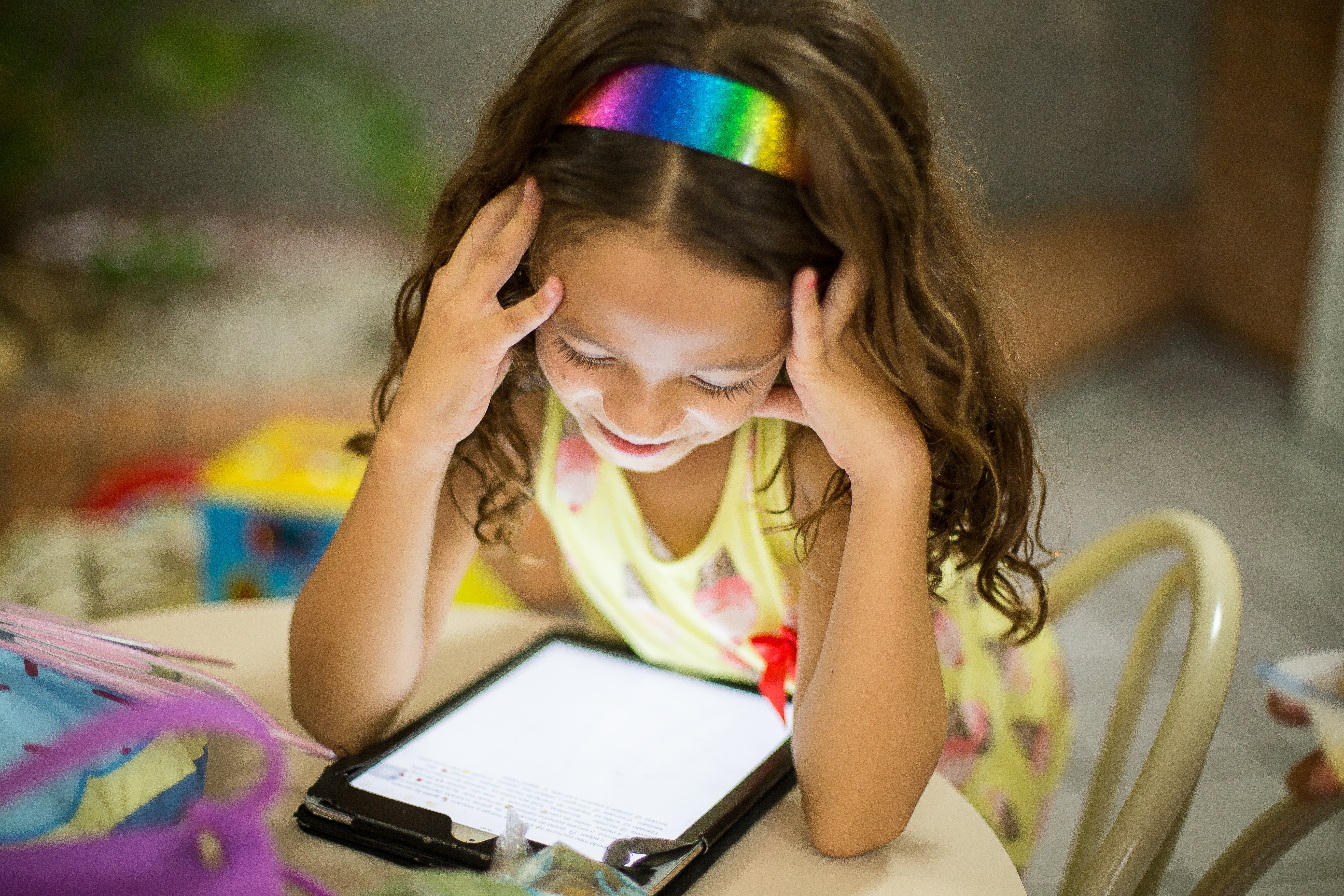
Greg: Yes, some preschools have started using iPads at school.
格雷格:有的,有些幼稚園開始在學校使用iPad。
preschool(n.)幼稚園
Jamie: Right, they’re using them to tell stories, play music, and share information.
潔咪:對啊,他們使用iPad講故事、播音樂以及分享資訊。
Greg: Really? Computers in class sounds distracting to me.
格雷格:真的嗎?課堂上用電腦聽起來會讓我分心。
distract(v.)使分心
Jamie: Well, some people say that it makes them pay attention. Others say it is good to teach children about computers when they are very young.
潔咪:有些人說,電腦可以讓他們專心,但有些人說,趁小孩子小的時候教他們電腦很好。
attention(n.)注意
Greg: Yes, but what will stop them from playing games in class? Teachers could get lazy as well.
格雷格:是啊,但要怎麼樣阻止他們在課堂上玩電腦?老師也會變懶惰吧。
lazy(adj.)懶惰的
Jamie: That’s true. Scientists haven’t done enough research to say if it is a good or bad idea. But the Japanese government wants there to be one computer or tablet for every three school children.
潔咪:那倒是真的,科學家還沒有做出足夠的研究來說明用電腦上課的好壞,但日本政府希望每3個學校的小朋友就可以使用一台電腦或是平板。[P]
research(n.)研究government(n.)政府
Greg: We’ll just have to see what that does for these children’s education then.
格雷格:我們只能看看這種做法會對孩子的教育有什麼效果吧。
education(n.)教育