猶太人至上主義
Last Thursday, Israel’s Knesset passed a “nation-state bill” that is hailed as historic by Mr. Netanyahu’s right-wing coalition but condemned by centrists and leftists as racist and anti-democratic.
上星期四,以色列國會通過了《民族國家法》,被總理納坦雅胡的右派聯盟譽為歷史性的法案,但被中間派和左翼分子譴責為種族歧視和反民主。
hail… as…讚揚…為;把…譽為=applaud…as…=acclaim…as…right-wing 右派的condemn(v.)譴責=censure=criticize=denounceracist(adj.)種族歧視的
The new bill declares the country “the historic homeland of the Jewish people” and enshrines the right of national self-determination as “unique to the Jewish people” — not all citizens.
新法案確立以國為「猶太民族的歷史祖國」,唯有猶太人擁有專屬自決權 —— 而非所有公民。
enshrine(v.)供奉;(法律)記載;載入(政治或社會權利)self-determination民族自決
The new law also stipulates that Hebrew is the official language of Israel and demotes Arabic to a language with a “special status”, even though many people in Israel’s sizeable Arab minority (22%) mainly speak in Arabic.
新法律還規定,希伯來語是以色列的官方語言,並將阿拉伯語降級為具有「特殊地位」的語言,儘管國內數量可觀的阿拉伯少數民族(22%)中,有許多人主要的語言為阿拉伯語。
stipulate(v.) 規定;約定;明確說明=specify=lay downdemote(v.)降級=downgradeeven though(conj.)雖然;儘管sizeable(adj.)大的;相當大的=considerable
Another highly divisive clause asserts that the development of Jewish settlement is a national value and “promises to encourage and promote its establishment and consolidation.”
另一項具有高度爭議性的法條聲稱,以國視猶太人屯墾區的開發為國家重要利益,將「鼓勵和推廣屯墾區的建立與鞏固」。
divisive(adj.)有爭議的、引起分歧的=controversialsettlement(n.)定居;定居地; 屯墾區
Critics say the legislation, which omits any mention of democracy or the principle of equality, is a betrayal of Israel’s 1948 Declaration of Independence, which ensured “complete equality of social and political rights” for “all its inhabitants” regardless of their religion, race or sex.
批評者說,《民族國家法》省略任何民主或平等原則的字眼,是對以色列1948年《獨立宣言》的背叛,該宣言確保「所有居民」,「不論其宗教,種族如何或性別為何」,都應享有「完全平等的社會和政治權利」。
betrayal(n.)背叛;違背inhabitant(n.)居民=residentregardless of~不管;不顧
Since Israel was established, it has grappled with the core tension in Israel’s identity — between its dual aspirations of being both a Jewish state and a democracy.
以色列自從建國以來,一直在努力解決國家身份認同核心的緊張關係 — 以色列既渴望成為猶太人的國家,又希望成為一個民主國家。
grapple with~ 努力解決、設法對付、盡量克服=tackle=handle=deal with~dual(adj.)雙重的aspiration(n.)志向;抱負;渴望達到的目標=ambition
Proponents of the new law believe it will restore that balance in the aftermath of judicial rulings that favored democratic values.
支持者認為,在有利於民主價值觀的司法裁決之後,《民族國家法》將恢復兩者間的平衡。
proponent(n.)支持者=supporter=advocaterestore the balance恢復平衡in the aftermath of~在…之後=following=in the wake of~judicial rulings司法判決
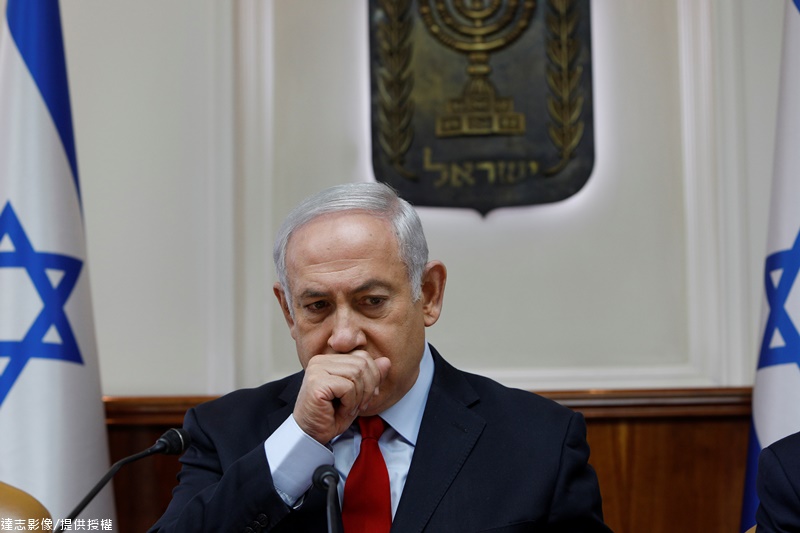
“This is our state — the Jewish state. In recent years, there have been some who have attempted to put this in doubt, to undercut the core of our being. Today we made it law: This is our nation, language, and flag,” says Prime Minister Benjamin Netanyahu.
總理納坦雅胡說:「這是我們的國家——猶太人的國家。近年來,有些人試圖質疑這一點,以削弱我們存在的核心,今天我們制定了法律:這是我們的國家,語言和國旗。」
put… in doubt質疑=call…into questionundercut(v.)報價低於(競爭對手); 削弱;損害=undermine
However, opponents see this new law as an effort to tip the scales sharply toward Jewish identity at the expense of democracy.
然而,反對者認為《民族國家法》犧牲了民主的價值,極端傾向猶太人的身份。
opponent(n.)反對者=objectortip(v.)使傾斜=tiltat the expense of~以~為代價;犧牲…=at the price of~
Palestinians and Arab-Israelis have denounced the bill, arguing that it formally sanctions discrimination against minorities in both Israel and its territories and moves Israel towards an apartheid state.
巴勒斯坦人和阿拉伯以色列人譴責該法案,主張這項法案正式准許歧視以色列及其領土上的少數民族,並將使以色列成為種族隔離的國家。
denounce(v.)譴責;斥責=censure=criticize=denouncesanction(n.)制裁(v.)(n.) (尤指正式或法律)批准,許可discrimination against~對…的歧視apartheid(n.)(舊時南非的)種族隔離制度racial segregation種族隔離
The law asserts “Jewish supremacy,” and serves “mostly to be a stick in the eye to Israel’s 22-percent Arab minority,” says Daniel Sokatch, the head of the liberal Zionist organization, the New Israel Fund.
自由派猶太復國主義組織新以色列基金會的負責人丹尼爾·索加茲表示,該法律主張「猶太人至上主義」,且「會讓以色列22%的阿拉伯少數族群下場更慘。」
Jewish supremacy猶太人至上主義white supremacy白人至上主義Zionism(n.) 猶太復國運動Zionist(adj.) 猶太復國運動的(n.)猶太復國主義者