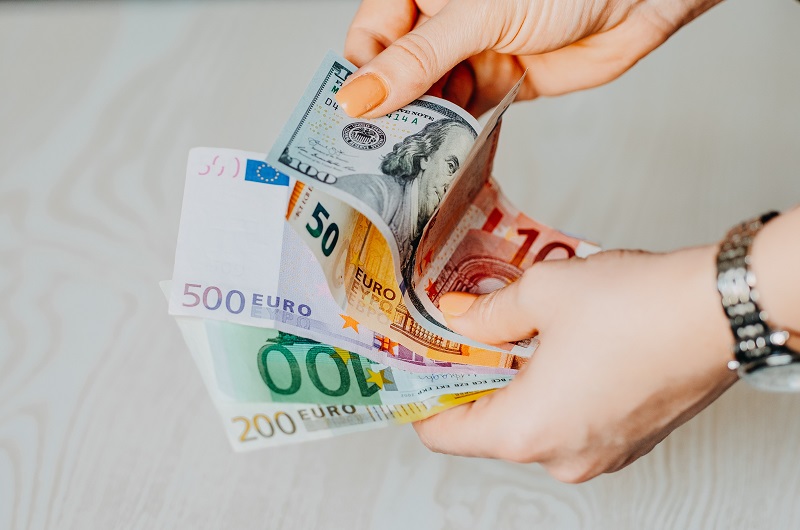
劇烈漲跌風險大
Mark and Tina are colleagues. They are talking about the foreign currency market.
馬克和蒂娜是同事。他們在談論外匯市場。
foreign currency market外匯市場
Tina: Mark, I want to invest in foreign currency. Do you have any advice?
蒂娜:馬克,我想投資外匯市場。有什麼建議嗎?
advice(n.)建議、不可數
Mark: You can start with some more stable currencies.
馬克:你應該可以從一些更穩定的貨幣開始投資。
stable(adj.)穩定的、unstable(adj.)不穩定的
Tina: What does that mean?
蒂娜:那是什麼意思?
Mark: The ones issued by countries with better economic performances.
馬克:像是比較好的經濟表現的國家發行的貨幣。
issue(v.)發行economic performance經濟表現
Tina: Let me think about it. Like euros?
蒂娜:讓我想想。就像是歐元?
the EU=the European Union歐盟
Mark: Yeah. The euro is a popular one, which is commonly used for international transactions. Many European countries actually peg their local currencies to euros.
馬克:沒錯。歐元是一種相當常用於國際交易的貨幣。甚至許多歐洲國家都將本國貨幣與歐元掛鉤。
commonly(adv.)廣泛地、普遍地transaction交易peg(v.)釘住、掛鉤
Tina: I got it. So, I should also avoid buying unstable ones. Is that right?
蒂娜:我明白了。所以我也應該避免購買那些比較不穩定的貨幣,對嗎?
avoid(v.)避免
Mark: Yes, exchange rates of weaker currencies may have more ups and downs within a short period of time. It could be riskier to invest in them.
馬克:沒錯,這些貨幣的匯率在短時間內可能會有更劇烈的漲跌起伏,風險更大喔。
weak(adj.)弱勢的ups and downs起起伏伏risky(adj.)有風險的
Tina: Alright. Thank you so much.
蒂娜:好。太感謝你了。