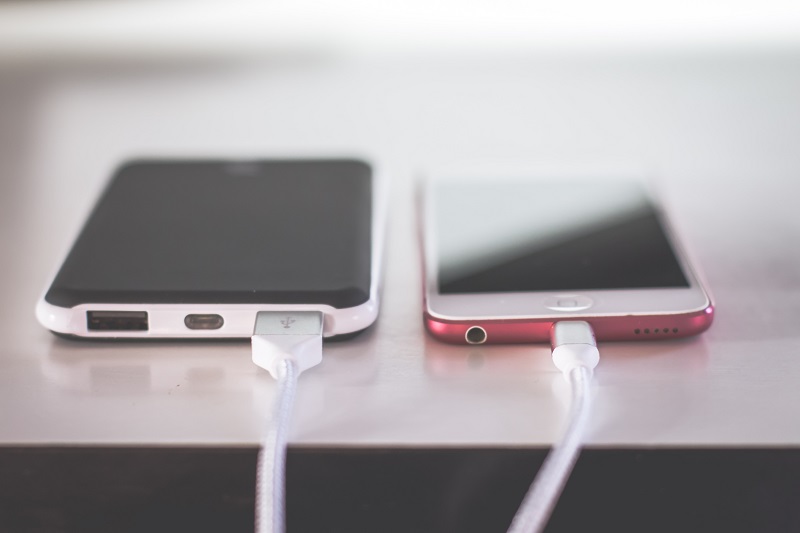
降低傷害電池
Henry and Pam are colleagues. Pam’s phone is dead again.
亨利和潘是同事。潘的手機又沒電了。
phone is dead手機沒電了
Henry: What happened to your phone?
亨利:你的手機發生什麼事了?
Pam: It died on me and I left my charger at home.
潘:它又沒電了。我忘記帶充電器出門。
the phone died on me.沒電了charger充電器
Henry: You shouldn’t let your phone be completely out of juice too often. It’s bad for the battery.
亨利:你不該常常這樣讓手機完全沒電,這樣很傷電池。
completely完全地out of juice沒電battery(n.)電池
Pam: I forgot that you used to work at an electronics store. Can I ask you something about phone batteries?
潘:我都忘記你以前在電子賣場工作過。我可以問一些關於電池的問題嗎?
used to+RV以前曾經electronics store電子賣場
Henry: My pleasure. Fire away.
亨利:樂意至極,都給你問。
pleasure(n.)歡愉、榮幸fire away放馬過來、儘管問
Pam: Is it okay if I use my phone while it’s being recharged?
潘:可以邊充電邊用手機嗎?
recharge(v.)給電池充電、被動
Henry: Yes, but if the phone gets too hot, then you should probably just wait a while.
亨利:可以,但是如果你的手機變的過熱,那最好還是等一下。
probably很可能while(n.)一下下
Pam: Can I charge it all night?
潘:我可以整晚都充著電嗎?
Henry: Yes, phones nowadays are designed to disconnect once they are fully charged. It’s okay if you don’t unplug it.
亨利:可以,現在的手機都被設計成一旦充飽電就會自動切換,就算你不把插頭拔掉也沒關係。
nowadays現在design(v.)設計disconnect(v.)切斷電源fully charged充飽電unplug(v.)拔掉插頭
Pam: Thanks a lot!
潘:真謝謝你!