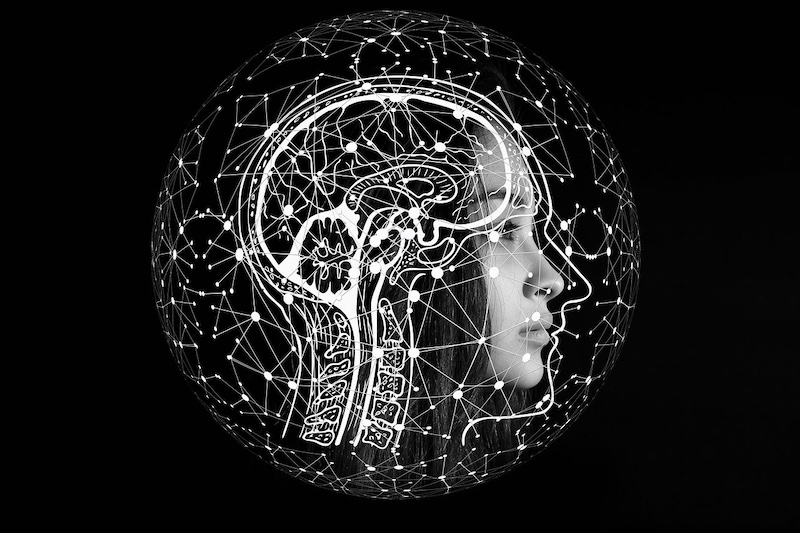
反映人類價值
Artificial Intelligence does not learn in the same way humans do. Instead of thinking or feeling, AI systems learn by analyzing vast amounts of data.
人工智慧並不像人類一樣學習。它不會思考或感受,而是透過分析大量資料來學習。
analyze(v.)、analysis(n.)分析analytic(adj.)分析的analytical(adj.)分析的vast amounts of~大量的
Through a process called machine learning, computers find patterns in text, images, or numbers.
透過一種稱為「機器學習」的過程,電腦在文字、圖片或數字中找出規律。
machine learning機器學習pattern(n.)模式、圖案
They adjust their predictions based on feedback, gradually improving their performance.
它們根據回饋調整預測,逐步提升表現。
prediction(n.)預測based on根據、基於、以~為基礎feedback(n.)反饋、回饋
The more high-quality data they receive, the better they become at tasks such as recognizing speech, recommending products, or detecting diseases.
接收到的優質資料越多,AI在語音辨識、商品推薦或疾病檢測等任務上就會表現得越好。
recognize(v.)辨識detect(v.)偵測、檢測
However, AI does not choose its own data.
然而,AI並不會自行選擇資料。
Humans decide what information is collected, how it is labeled, and which goals the system should achieve.
人類決定要收集哪些資訊、如何標記資料,以及系統應該達成哪些目標。
label(v.)標記、貼標籤
As a result, AI often reflects human priorities and assumptions.
因此,AI往往反映出人類的優先考量與假設。
as a result因此=consequentlyreflect(v.)反映、反射、反省get your priorities straight釐清優先順序=get your priorities rightassume(v.)、assumption(n.)假設、臆測
If the data contains bias or limited perspectives, the system may produce unfair or inaccurate results.
如果資料中包含偏見或觀點侷限,系統可能會產生不公平或不準確的結果。
bias(n.)偏見biased(adj.)有偏見的inaccurate(adj.)不精確的、不準確的accurate(adj.)準確的、精確的an accurate account準確的敘述
For example, an AI trained mainly on data from one region may not perform well in another.
例如,主要以單一地區資料訓練的AI,在其他地區可能表現欠佳。
This shows that AI learning is closely connected to human values and decisions.
這顯示AI的學習與人類的價值觀與決策密切相關。
be connected to~與~相關=be associated with, be related to, be linked to
Understanding how AI learns also helps us see its limits.
了解AI如何學習,也能幫助我們看見它的侷限。
AI can process information quickly, but it does not truly understand meaning or context in the way people do.
AI雖能快速處理資訊,但無法像人類一樣真正理解語意與脈絡。
process(v.)處理、加工processed food加工食品context(n.)上下文;文意脈絡take sth. out of context斷章取義
It relies on statistical patterns rather than personal experience or moral judgment.
AI依賴統計規律,而非個人經驗或道德判斷。
rely on依賴moral judgment道德判斷moral dilemma道德困境moral standards道德標準
Therefore, human supervision remains essential, especially in sensitive areas such as education, healthcare, and law.
因此,人類的監督仍然至關重要,尤其在教育、醫療與法律等敏感領域。
supervise(v.)、supervision(n.)監督
In the end, AI is not just a technological tool; it is a mirror of the society that builds it.
歸根究底,AI不僅是科技工具,更是建構它的社會的一面鏡子。
The way we train AI reveals what we value, what we measure, and what we choose to prioritize.
我們如何訓練AI,揭示了我們的價值觀、衡量標準以及優先考量。
value(v.)重視、珍視measure(v.)衡量prioritize(v.)優先考慮
By developing AI responsibly, we also shape the kind of future we want to create.
透過負責任地開發人工智慧,我們也塑造了自己想要創造的未來。
shape(v.)塑造