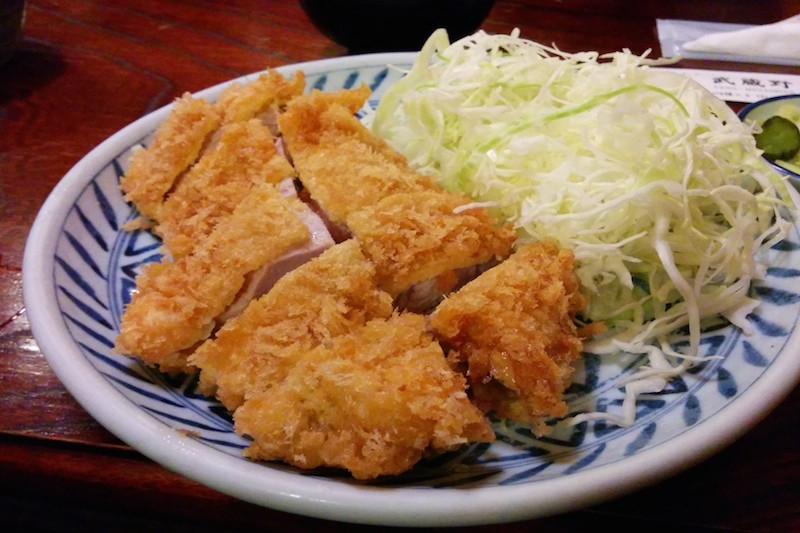
水蒸氣讓食物變軟
Hailey and Dean are classmates. They are having lunch together in the school cafeteria.
海莉和迪恩是同學,他們在學生餐廳一起吃午餐。
cafeteria(n.)食堂dorm(n.)宿舍
Hailey: Why didn’t you heat up your lunchbox?
海莉:你怎麼不把午飯加熱?
heat up加熱cool down冷卻chill out冷靜、放鬆lunchbox(n.)午餐盒
Dean: I’m good. I’m used to having my food cold.
迪恩:沒關係,我習慣吃冷的食物。
I’m good.不用了沒關係be used to Ving習慣某事used to Vr過去習慣做某事
Hailey: And why is that?
海莉:為什麼?
Why do you do that?How come?
Dean: It’s how the Japanese serve food; they don’t want the steam making everything mushy.
迪恩:日本也是這樣吃的,才不會有水蒸氣讓食物都變得軟爛。
serve(v.)服務、提供食物飲料steam(n.)(v.)蒸氣、蒸食物steam-powered蒸汽推動的mushy(adj.)軟爛的
Hailey: Even fried food, too? That’s a huge porkchop you’ve got there.
海莉:就連炸物也是嗎?像是你便當裡那塊很大的豬排。
fry(v.)炒、炸deep–fry(v.)炸
Dean: Yeah, without the steam, the crust stays crispy.
迪恩:對呀,裡面沒有水蒸氣,外皮就能保持酥脆。
crust(n.)硬的外皮crispy(adj.)酥脆的juicy(adj.)多汁的chewy(adj.)有嚼勁的
Hailey: I wonder if it really tastes better.
海莉:我很好奇這樣是不是真的比較好吃。
delicious(adj.)美味的=tasty
Dean: You should give it a try sometime.
迪恩:你有空可以試試。
give it a chane給個機會、試試看give it a shot嘗試sometime某個時間
Hailey: So, does this mean you’re Japanese?
海莉:所以,這表示你是日本人嗎?
Dean: No, I just happen to know a thing or two.
迪恩:不是,我只是剛好略懂而已。
happen to剛好know a thing or two略懂