開創性研發
Mark and Elsie are colleagues. They are having lunch.
馬克和艾爾希是同事。他們正在吃午飯。
Mark: Have you registered to get the second COVID shot?
馬克:你去登記打第二劑新冠疫苗了嗎?
register(v.)註冊登記shot or jab一針、疫苗
Elsie: I have, but who knows how many shots we have to receive in the future.
艾爾希:登記了,但誰知道未來還要打多少次呢。
in the future未來、in the past過去
Mark: Maybe we will just have to eat greens, instead of getting shots.
馬克:也許之後我們只需要吃蔬菜,不用打疫苗了呢。
green(n.)蔬菜=vegetableinstead of而不是+N.
Elsie: What do you mean?
艾爾希:什麼意思呢?
Mark: There is a research team in California working on making mRNA vaccines with plants.
馬克:加州有一個研究團隊在研發用植物製造mRNA疫苗。
research team研究團隊plant(n.)植物、盆栽、工廠power plant發電廠、(v.)栽種
Elsie: That’s groundbreaking! How does it work?
艾爾希:也太具開創性了吧!原理是什麼?
groundbreaking(adj.)開創性的
Mark: The chloroplast that vegetables use to turn sunlight into energy can carry mRNA code. A single plant can produce enough mRNA for a person.
馬克:蔬菜用來把陽光轉化為能量的葉綠體可以攜帶mRNA疫苗基因序列。一株植物就可以產出足夠一個人使用的mRNA疫苗。
chloroplast葉綠體turn A into B轉變、成為sunlight日光energy(n.)能源、能量、精力、green energy綠能、nuclear energy核能carry(v.)乘載、攜帶single(adj.)單一的produce(v.)產生
Elsie: So, we can “grow” our own vaccines in the garden.
艾爾希:這等於說我們可以在花園裡「種植」自己的疫苗。
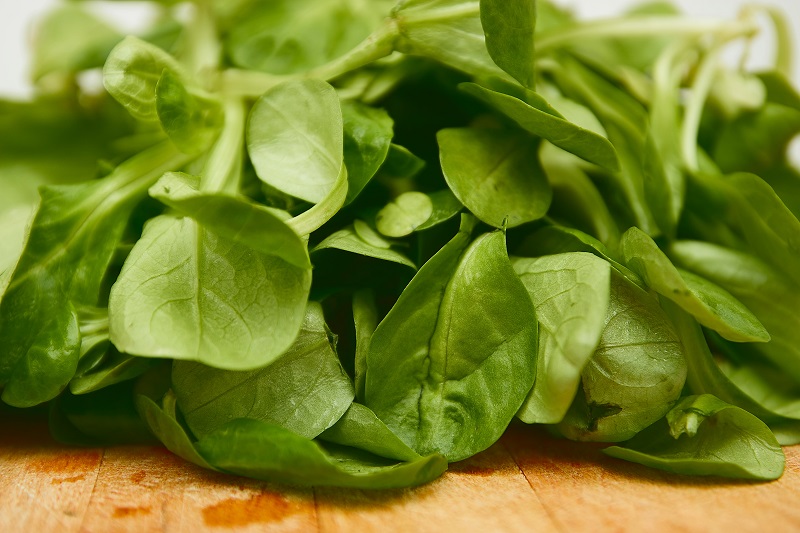
Mark: Exactly! Vegetables like lettuce and spinach can be mRNA shots.
馬克:沒錯!像是生菜和菠菜等等都可以作為mRNA疫苗。
lettuce生菜spinach菠菜
Elsie: I think the same technology can be applied to make other vaccines as well.
艾爾希:我想同樣的技術也可以應用在製造別的疫苗上吧。
technology(n.)科技apply to應用、被動