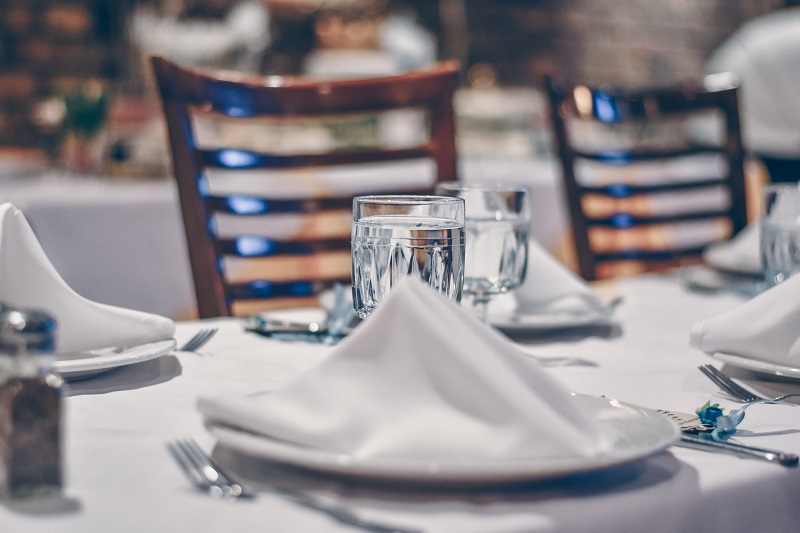
請求准許離席
We all enjoy sitting down to eat good food.
我們都喜歡坐下來享用美食。
enjoy+Ving享受做⋯
Whether you are eating at home, at school or in a restaurant, it’s always a good idea to use good table manners.
不論你是在家、在學校或在餐廳用餐,有著良好的餐桌禮儀總是個好主意。
whether(conj.)不管是⋯
Without table manners, mealtime could become a messy time.
沒有餐桌禮儀,進餐時間可能會變得一團糟。
mealtime(n.)用餐時間messy(adj.)亂七八糟的
Here are some basic table manners you should practice.
以下是一些你應該要實行的基本餐桌禮儀。
practice(v.)實踐、實行
First of all, make sure you wash your hands before coming to the table.
首先,上桌前要洗手。
first of all首先=firstly
Put a napkin on your lap and sit straight.
把餐巾放在大腿上,保持坐姿端正。
napkin(n.)餐巾
Also, remember to keep your elbows off the table.
也請記得不要將手肘放在桌上。
remember to記得做⋯elbow(n.)手肘
It’s not polite to chew with your mouth open or talk when your mouth is full of food.
張開嘴巴咀嚼或滿口都是食物時說話,都是不禮貌的。
chew(v.)咀嚼;chewing gum口香糖
When you are eating with a group, you should wait until everyone is served before you begin to eat.
當你和一群人吃飯時,你應該等到每個人都上菜後才開始吃飯。
serve(v.)侍候(顧客)、供應(飯菜)
Neither grabbing nor fighting over food is considered good manners.
抓取或是搶奪食物都不是禮貌的行為。
neither A nor B不是A也不是B、兩者皆非
When you finish eating, don’t just get up and leave. It’s very rude.
當你吃完時,不要起身就離開,這是很無禮的。
rude(adj.)無禮的
Ask to be excused before leaving the table.
離開餐桌前要請求准許離席。
excuse(v.)准許⋯離去
Then, remember to clean up your own eating area.
然後,記得清理自己的用餐區。
clean up打掃、整理
When you use good table manners, you will show everyone that you know how to behave at the table, and your family and friends will enjoy eating with you.
當你有良好的餐桌禮儀,你是向大家展現你知道如何在餐桌上守規矩,你的家人和朋友會喜歡跟你一起用餐。
show(v.)證明、表明behave(v.)守規矩