全球暖化
Erwin and Vickey are friends. They are watching the news.
爾文和薇琪是朋友。他們正在看新聞。
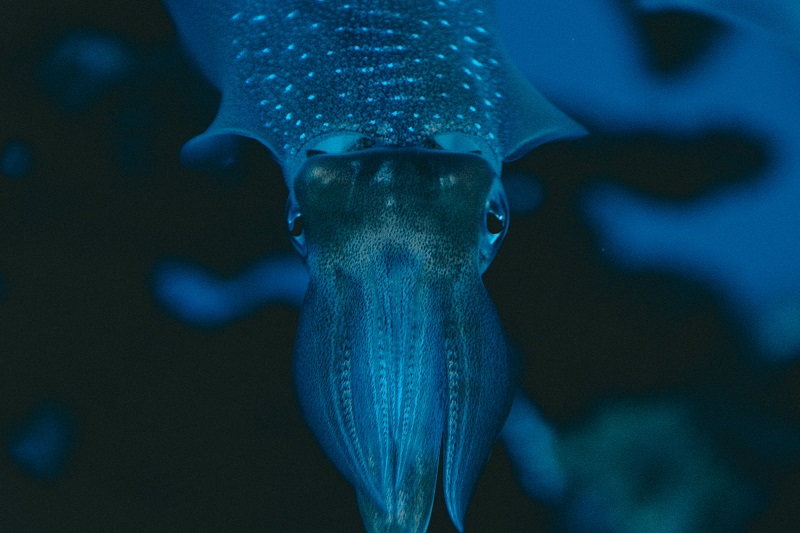
Erwin: Woah! Take a look at this photo. A 3.2-meter-long giant squid was found dead on a beach in Japan.
爾文:哇!看看這張照片。一隻3.2公尺長的大王烏賊被發現死在日本海灘上。
dead(adj.)死亡的、去世的take a look看一看、瞧一瞧take a long, hard look at sth.審視、仔細考慮某事
Vickey: That’s weird. I thought giant squid live deep underwater at depths of 200 to 1000 meters.
薇琪:這很奇怪。我以為大王烏賊通常棲息在水深200到1000公尺的海域。
depth(n.)深度deep(adj.)深的、深奧的、難懂的shallow(adj.)淺的、不深的、淺灘、膚淺的
Erwin: Yes, it’s unusual for them to be washed ashore. Experts say that it may be due to global warming.
爾文:是的,牠們被刷到岸上是不尋常的。專家說可能是全球暖化造成的。
unusual(adj.)不同尋常的、非比一般的globe(n.)地球、世界、球狀物、球體global(adj.)全球的、全世界的
Vickey: Is it because oceans are getting warmer?
薇琪:是因為海水變得更暖了嗎?
ocean(n.)海洋、大海
Ervin: Exactly. Experts say that because sea temperatures are 1 to 1.5 degrees Celsius warmer than in the past, some marine animals are traveling north to look for food.
爾文:正是如此。專家說,因為海水溫度比過去高了攝氏1到1.5度,有些海洋生物正在往北移動尋找食物。
temperature(n.)溫度、體溫Celsius攝氏Fahrenheit華氏marine(adj.)海洋的(n.)海軍陸戰隊士兵
Vickey: That’s really awful.
薇琪:這真是太可怕了。
awful(adj.)極壞的、惡劣的、可怕的、糟糕的
Erwin: They are worried that some marine animals may die out if sea temperatures continue to rise.
爾文:他們擔心,如果海水溫度繼續上升,有些海洋動物可能會滅絕。
die out滅絕
Vickey: What will happen if they die out?
薇琪:如果牠們滅絕了會怎麼樣?
Erwin: Well, some of them are food for humans. We may no longer have fish on our dinner plates if things get worse.
爾文:嗯,牠們其中有一些是人類的食物。如果情況變得更糟,我們的餐盤上可能就不會再有魚了。
no longer不再、再也不
Vickey: Oh no, I love seafood.
薇琪:哦,不,我喜歡吃海鮮。