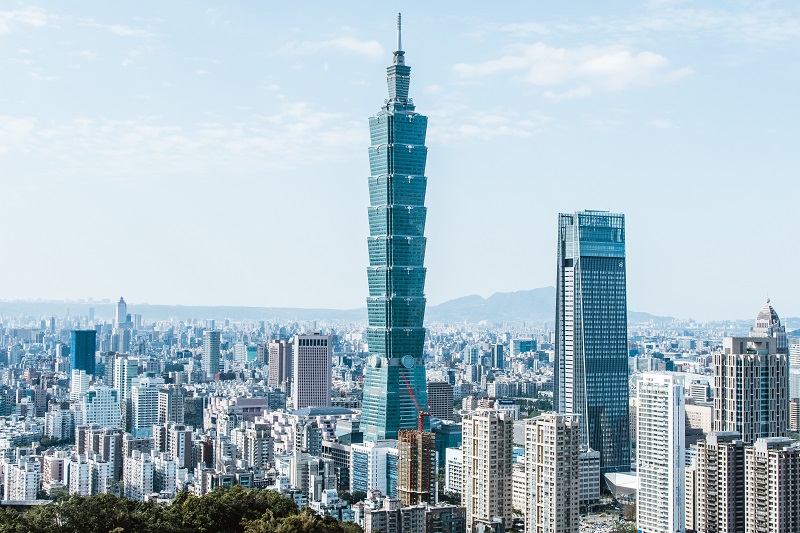
最宜居國家排行第一名?
Paula just got back from work. Her roommate, Ron, is reading the newspaper.
寶拉剛下班回家。她的室友隆恩正在看報紙。
Ron: Hey, how was work?
隆恩:嘿,工作如何?
Paula: I’m worn out. My boss asked me to work overtime again.
寶拉:我累壞了。我的老闆又要我加班。
worn out疲累、物品損壞work overtime加班
Ron: You’ve been coming home late quite often these past few weeks.
隆恩:你過去幾周真的都很晚回家。
have been Ving現在完成進行式quite often蠻常these past few weeks過去幾周
Paula: What can I say, it’s like I don’t have any quality of life anymore.
寶拉:我能說什麼,我都快沒生活品質了。
quality of life生活品質
Ron: I just read this report talking about how expats living in Taiwan are actually very satisfied with life here. Taiwan was ranked the top country to live in by foreigners.
隆恩:我剛剛讀到一個報告說台灣的外國人其實很滿意這裡的生活。我們是最宜居國家排行的第一名。
expat(n.)旅外工作者、僑民、immigrant移民satisfied with滿意rank(v.)排名
Paula: Really? Why?
寶拉:為什麼?
Ron: According to the survey by Expat Insider, Taiwan is seen as a great place to work, make friends, and raise a family.
隆恩:根據這個旅外人士圈內人的報告,台灣很適合工作、交朋友跟養家。
according to根據survey調查be seen as被視為=be consideredraise family養家、raise kids養小孩、raise a hand舉手、raise taxes加稅
Paula: Well, I guess it’s not THAT bad.
寶拉:這個嘛,我想是沒那麼糟啦。
THAT強調語氣、那麼
Ron: It’s good to hear that from foreigners, but there’s still room for improvement.
隆恩:外國人這樣說是很好,但一定還有很多進步空間。
room for improvement有改善空間、improvement(n.)改善
Paula: You can say that again.
寶拉:說得沒錯。
You can say that again=I totally agree完全同意、沒錯