注意「它」會加速腐敗
Kent and Kiki just got back from the supermarket.
肯特和琪琪才剛從超市回來。
just(adv.)剛才、此時
Kent: I’ll go put the food in the fridge.
肯特:我去把食物放進冰箱。
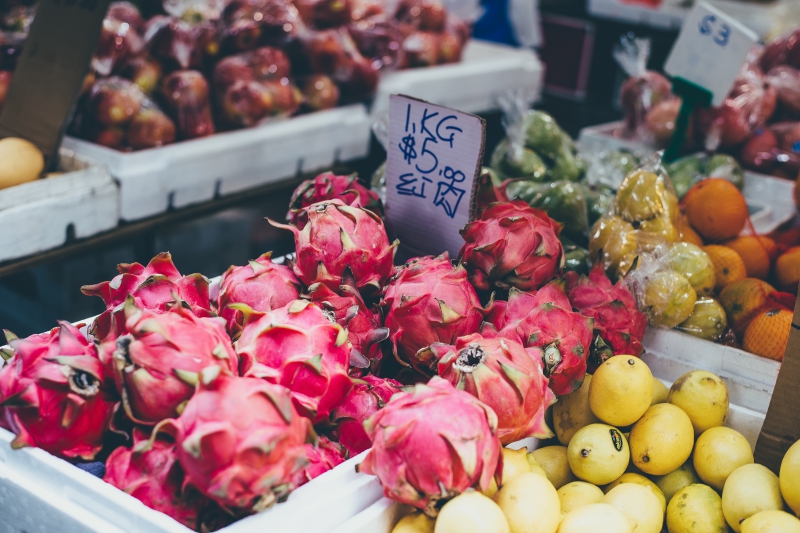
Kiki: Let me help you with that. By the way, we shouldn’t keep fruits like bananas, kiwis, dragon fruit, and apples in the fridge.
琪琪:我來幫你。對了,我們不應該把水果,像是香蕉、奇異果、火龍果和蘋果,放進冰箱裡。
let(v.)讓、允許should(aux.)應該keep(v.)保存like(prep.)像
Kent: We shouldn’t? I didn’t know that. And why is that?
肯特:不應該嗎?我不知道耶!那是為什麼呢?
Kiki: It’s because when you put these fruits in the fridge, they will actually make the other fruits and foods in the fridge rot or spoil faster.
琪琪:因為當你把這些水果放進冰箱,他們實際上會使其他水果以及冰箱內的食物更快腐敗或變質。
when(conj.)當actually(adv.)實際上、事實上make(v.)造成、導致rot(v.)腐爛、腐敗spoil(v.)變質、變壞
Kent: Cool! That’s good to know.
肯特:太好了,很高興知道這件事。
cool(excl.)好極了
Kiki: Also, powdered foods such as powdered milk or instant coffee, and baked goods like cookies and cakes, should be completely sealed before being put into the fridge.
琪琪:另外,粉狀食物像是奶粉或即溶咖啡,以及烘培類食物如餅乾及蛋糕,應該完全密封後再放入冰箱。
powder(n.)粉、粉末instant(adj.)立即的、即刻的bake(v.)烘、烤goods(n.)商品、貨物completely(adv.)完全、徹底seal(v.)封、密封
Kent: Let me guess. Is it because those foods will end up absorbing the humid air and smell inside the fridge?
肯特:讓我猜猜看;是因為這些食物最終會吸收冰箱內的濕氣和氣味嗎?
guess(v.)猜、猜測end up以…告終、最終成為…absorb(v.)吸收humid(adj.)潮濕的、濕潤的air(n.)空氣smell(n.)氣味
Kiki: Bingo! This affects the flavor of the food and causes it to grow mold more easily as well.
琪琪:賓果!這會影響食物的風味,並導致食物更容易發霉。
bingo(excl.)賓果affect(v.)影響flavor(n.)味道、風味cause(v.)造成、導致grow(v.)生長mold(n.)黴、黴菌