降低心血管疾病
Studies suggest that anthocyanins, a pigment found in a variety of fruits and vegetables, may reduce the risk of cardiovascular disease.
研究指出,許多種蔬菜水果含有的花青素色素,可以降低罹患心血管疾病的風險。
pigment(n.)色素a variety of~各式各樣的cardiovascular(adj.)心血管的
An analysis of 19 different studies, published in the journal Critical Reviews in Food Science and Nutrition, found that people with the highest anthocyanin intake were 9% less likely to suffer from coronary heart disease and 8% less likely to die from causes related to heart disease, compared to those with the lowest intake.
發表在「食品科學與營養評論」期刊,針對19項不同研究的分析發現,相對於攝取量最低的人,花青素攝取量最高的人患冠心病的可能性降低了9%,死於心臟病的可能性也降低了8%。
intake(n.)攝取(量)=consumptionsuffer from 受…之苦suffer(vt.)遭受coronary heart disease冠心病coronary(adj.)動脈;冠狀動脈的related to~和…有關的=associated with~compared to or with…與…相較之下
Anthocyanins are natural pigments that lend many fruits and vegetables their reddish, purple, or bluish colors.
花青素是天然的色素,使許多水果和蔬菜呈現略帶紅色、紫色或略帶藍色,
reddish(adj.)略帶紅色的bluish(adj.)略帶藍色
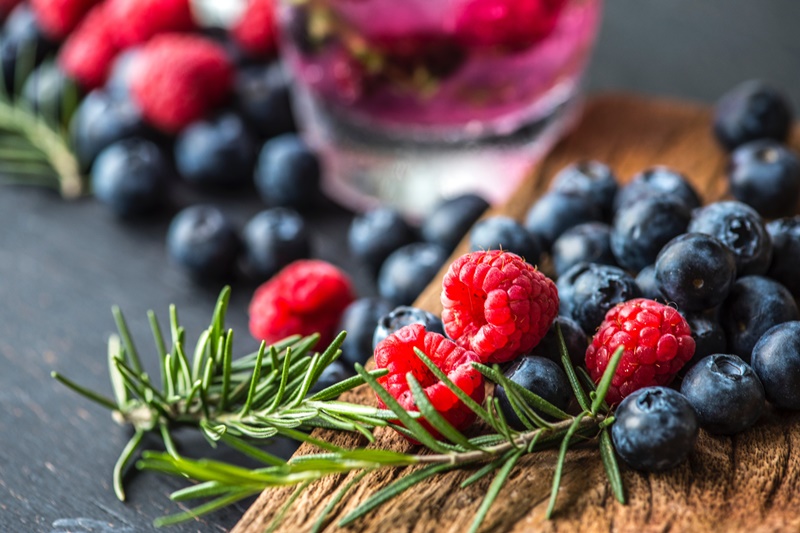
Some types of fruit with high anthocyanin content include acai berries, blackberries, raspberries, blueberries, and some varieties of cherries and grapes.
花青素含量高的水果包括巴西莓、黑莓、覆盆子、藍莓和某些品種的櫻桃和葡萄。
content(n.)含量、內容(物)acai berries巴西莓raspberry(n.)覆盆莓
Anthocyanins are also a class of flavonoids, which are natural antioxidants that act at the cell level and have a protective effect against cellular degeneration.
花青素也屬類黃酮,是天然的細胞抗氧化劑,可預防細胞退化。
flavonoid(n.)類黃酮素antioxidant(n.)抗氧化劑cell(n.)細胞cellular(adj.)細胞的degeneration(n.)惡化、衰退、退化