跟美元掛勾
Jane is considering investing in foreign currency. She is asking her roommate Jack for advice.
珍正考慮投資外匯,她詢問她室友傑克的意見。
consider +V-ing 考慮做某件事情invest (v.)投資advice (n.)意見;a piece of advice
Jane: What do you think about buying exotic currencies?
珍:你覺得買外幣如何?
exotic (adj.)外來的,異國風情的;an exotic species 外來物種; an exotic restaurant 有異國風情的餐廳
Jack: Such as?
傑克:像是什麽?
Jane: The Thai baht.
珍:泰銖。
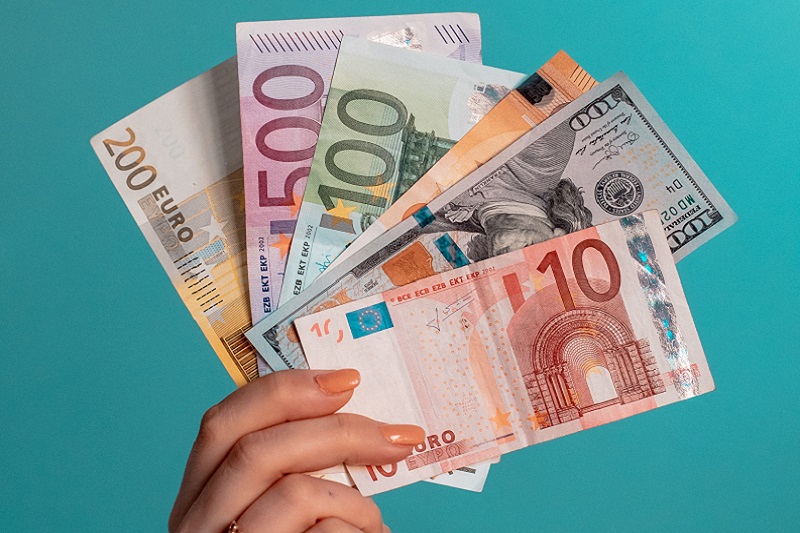
European Euro 歐元British pound 英鎊Russian ruble 盧布
Jack: I wouldn’t if I were you.
傑克:我如果是你就不會買。
If I were a millionaire, I would buy a big house. 如果我是百萬富翁,我就會買一間大房子。
Jane: Why not?
珍:為什麽?
Jack: Trading exotic currencies can be pricey due to higher transaction fees.
傑克:買賣外幣因為有較高的手續費所以並不便宜。
trade (v.)交易買賣pricey (adj.)貴=expensivedue to+原因transaction (n.)交易
Jane: What about Hong Kong dollars?
珍:那港幣呢?
Jack: The Hong Kong dollar has a fixed exchange rate. It is pegged to the US dollar.
傑克:港幣是按固定匯率的,跟美元掛勾。
be pegged to掛勾、隨……變化
Jane: Meaning…?
珍:什麽意思?
Jack: Meaning it follows the fluctuations of the US dollar. The Hong Kong dollar will always be worth around HK$7.75 per US dollar.
傑克:意思是港幣會隨美元波動,港幣價格會一直維持在7.75港幣兌1美元。
fluctuation (n.)波動;price fluctuation 價格波動;market fluctuation 市場波動worth (adj.) 有……價值, 值得
Jane: Then what is the US dollar pegged to?
珍:那美元又是跟什麽掛勾的呢?
Jack: Nothing. It has a floating exchange rate, so its value is determined by supply and demand in the foreign exchange market.
傑克:沒有。美元採浮動匯率,所以美元的價格是由外匯市場的供需所決定的。
supply (n.)供應量demand (n.)需求
Jane: I get it. Which currency would you recommend?
珍:我懂了,那你建議買什麽幣呢?
I get it.=I see. 我明白了。
Jack: I recommend you do more research.
傑克:我建議你多做點功課。
I recommend that she see a doctor. 我建議她去看醫生。
Jane: Fine.
珍:好吧。