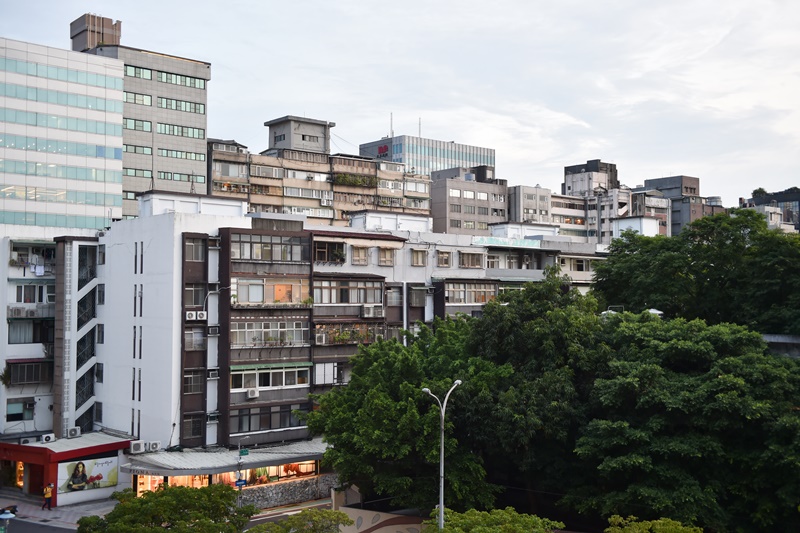
難怪我要租房子
Amanda and Simon are reading the news.
亞曼達和賽門正在看新聞。
news(n.)新聞、消息
Simon: Amanda, have you seen this article about housing prices in Taiwan?
賽門:亞曼達,妳有看過這篇關於台灣房價的文章嗎?
article(n.)文章price(n.)價格、價錢
Amanda: The one about how young people are buying fewer and fewer houses these days?
亞曼達:關於為何年輕人近來愈來愈少買房的那篇嗎?
Simon: Yes, it’s a bad sign, because only 14.3 percent of 20-to-30-year-olds bought houses during the past year. In 2009 that number was 17.6 percent.
賽門:是啊,這是個警訊,因為最近一年只有百分之14.3的20歲到30歲人買房;而2009年的數字則是百分之17.6。
sign(n.)徵兆、跡象percent(adv.)百分之…during(prep.)在…期間past(adj.)過去的
Amanda: So, the percentage is getting lower.
亞曼達:那麼,百分比變得更低了。
so(conj.)那麼percentage(n.)百分比get(v.)變得、變成low(adj.)低的
Simon: Yes, and it’s even worse in the cities. Only 7.7 percent of young people in Taipei city bought houses, in New Taipei it was 11.5 percent.
賽門:是啊,而城市的情況更糟。台北市只有百分之7.7的年輕人買房,新北市是百分之11.5。
even(adv.)甚至更、愈加worse(adj.)更壞的、更糟的、更差的
Amanda: That’s not good. Does the article say why fewer people are buying houses?
亞曼達:那不太好耶!這篇文章有說為什麼更少人買房子嗎?
Simon: Yes, apparently housing prices are going up quickly, whereas young people’s salaries are going up really slowly.
賽門:有,看來是房價漲得快,但年輕人的薪資漲得非常慢。
apparently(adv.)看來、據說quickly(adv.)快速地whereas(conj.)但是、卻salary(n.)薪資slowly(adv.)緩慢地
Amanda: That’s why I’m renting my place!
亞曼達:那就是我正在租房子的原因呀!
rent(v.)租用、出租place(n.)家