有效減少傳染病傳播
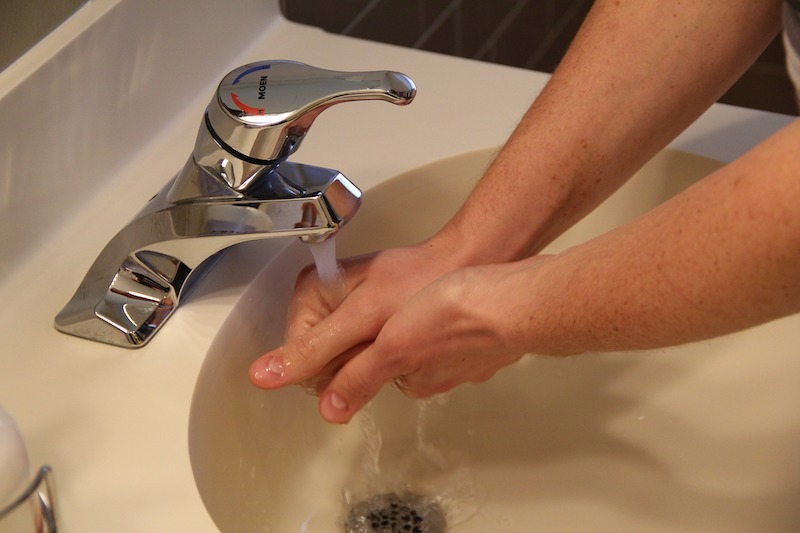
For most people, washing their hands after they’ve been to the toilet or before eating is part of their daily routine. However, a study has found that only 5% of people wash their hands properly.
對於大多數人來說,在上廁所後或吃飯前洗手是他們日常生活再自然也不過的一部分,但一項研究發現,只有5%的人洗手方式是正確的。
daily routine日常例行的事properly(adv.)正確地;適當地=correctly=in a proper way
Although it has been scientifically proven that washing hands is one of the most effective ways to cut the spread of infectious disease, it seems that a significant number of people fail to understand the importance of keeping their hands clean in the correct manner.
雖然科學已證明洗手是減少傳染病傳播最有效的方法,但似乎還是有很多人不了解用正確方式保持雙手乾淨的重要性。
effective(adj.)有效的efficient(adj.)有效率的infectious(adj.)具傳染性的contagious(adj.)傳染性的a significant number of~許多的;為數眾多的=a great number of~fail to RV未能=cannot RVin…manner 以…方式=in a…way=in a…fashion
The problem is that there are plenty of myths out there about how to do it.
問題是關於如何把手洗乾淨有很多迷思。
For example, some people believe that antibacterial hand wash is better than soap.
例如,有些人認為抗菌洗手乳比肥皂更好,
for example舉例來說=for instanceantibacterial(adj.)抗菌的bacteria(n.)(複數型)細菌bacterium(n.)(單數型)細菌virus(n.)病毒
However, studies have shown that triclosan, the most common ingredient found in antibacterial hand washes, does not leave less bacteria on people’s hands after washing than regular soap.
然而研究顯示,抗菌洗手乳中最常見的成分二氯苯氧氯酚,在洗滌後留在手上的細菌不會比普通肥皂少。
ingredient(n.)成分less…than…比…少
What’s more, several studies have indicated that triclosan may actually increase the resistance of bacteria and affect hormone levels in animals.
此外,數項研究指出,二氯苯氧氯酚可能會增加細菌的抗藥性,並影響動物體內的激素濃度。
furthermore(adv.)此外;而且=moreover=in additionindicate(v.)指出;顯示=showresistance(n.)抵抗、抗拒、抗藥性affect(v.)影響effect(n.)影響
Another myth is that the water used needs to be hot to get our hands clean. In a survey of 500 adults in the US, 69% of respondents believed that the temperature of the water would influence the effectiveness of hand washing.
另一項迷思是「水要很熱才能把手洗乾淨」,在一項針對美國500名成年人的調查發現,69%的人認為水的溫度會影響洗手的效果。
respondent(n.)回覆者affect(v.)(一般)影響influence(v.)(長時間)影響effect(n.)影響;效果effective(adj.)有效的effectiveness(n.)有效程度
Yet heat can only kill some germs. For example, salmonella can survive for more than 10 minutes at 55 degrees Celsius.
然而,高溫只能殺死某些細菌,例如沙門氏菌可以在攝氏55度下存活超過10分鐘。
germ(n.)細菌;病菌
So what is the correct method to use when washing our hands?
那麼洗手的正確方法是什麼?
method(n.)(特定、特別的)方法
The US Centers for Disease Control and Prevention (CDC) recommends washing your hands vigorously using soap and water for 15 to 20 seconds, or the time it takes to sing or hum “Happy Birthday” twice.
美國疾病管制與預防中心(CDC)建議用肥皂打水,用力洗手15至20秒,或哼唱「生日快樂歌」兩次的時間,
recommend(v.)推薦vigorously(adv.)精力旺盛地、有力量地
Also, remember to dry your hands as wet hands make it easier for germs to transfer to your skin’s surface if you touch anything on your way out of the bathroom.
也別忘了把手擦乾,因為如果你在離開浴室的途中碰到任何東西,手上的水分會讓細菌更容易沾附到你手上,
transfer to~轉移到
The drying process can also lower the level of any remaining microbes on your hands.
將手擦乾也可以降少手上殘留的微生物。
lower(v.)降低;減少=reduce=decreasemicrobe(n.)微生物、(尤指致病的)細菌