久一點還是劇烈一點?
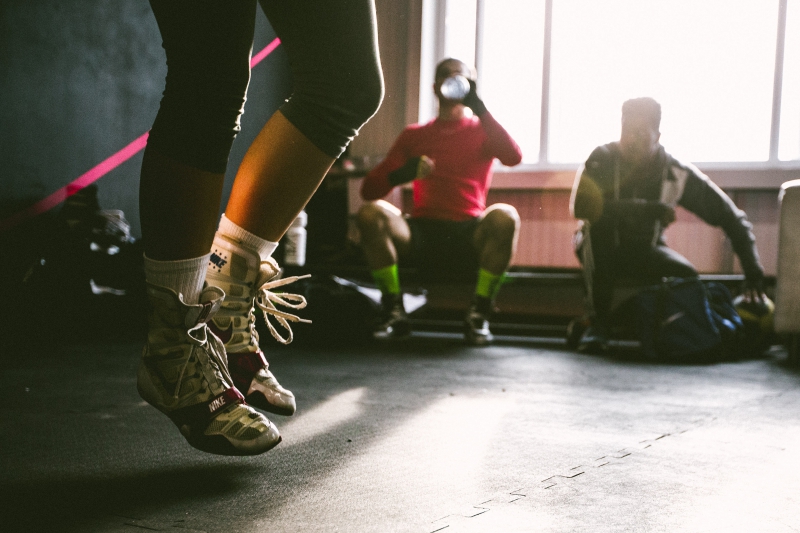
Angie is working out at a gym. Aaron is a coach.
安琪正在健身房運動,亞綸是教練。
be V-ing現在進行式(正在…)work out運動、鍛鍊coach(n.)教練
Angie: I spend about 90 minutes running every day.
安琪:我每天會花大約1.5個小時跑步。
Aaron: You don’t necessarily lose weight by spending more time exercising.
亞綸:你運動時間愈長不一定會瘦更多。
necessarily(adv.)必然地lose weight減肥、減重
Angie: So exercising for long periods of time isn’t helpful for losing weight – is that what you’re saying?
安琪:你是說花更長的時間運動不會有助於減重嗎?
period(n.)一段時間helpful(adj.)有幫助的what(pron.)…的
Aaron: That’s exactly what I’m saying. How intensively you exercise matters more than how long.
亞綸:沒錯。運動的強度比時間長度更重要。
intensively(adv.)密集地、加強地matter(v.)重要、有關係
Angie: So, it’s better to exercise more vigorously?
安琪:那麼,做劇烈運動比較好嗎?
Aaron: You could say that. It has been proven that doing high-intensity interval training (HIIT) helps people lose more weight than doing normal aerobics. But doing HIIT also increases the risk of sports injuries and may cause your cardiovascular pressure to go up.
亞綸:可以這麼說。高強度間歇運動(HIIT)證實比一般有氧運動更有助於減重。但做HIIT會增加運動傷害的風險和心血管的壓力。
have(has) been V-pp現在完成式被動語態(已經被…)prove-proved-proved(proven)證明、證實high-intensity interval training(HIIT)高強度間歇訓練aerobics(n.)有氧運動increase(v.)增加risk(n.)風險sports injury運動傷害cardiovascular pressure心血管壓力
Angie: Which is why we need a coach to help us through the process, right?
安琪:那也就是過程中我們需要教練來協助的原因了,對嗎?
through(prep.)自始至終、從頭至尾process(n.)過程
Aaron: Yup! So how about this: first we’ll do a series of HIIT exercises, then move on to aerobics!
亞綸:是啊。那我們以先做一系列的HIIT動作再接著做有氧運動吧。
a series of一連串、一系列move on開始新活動