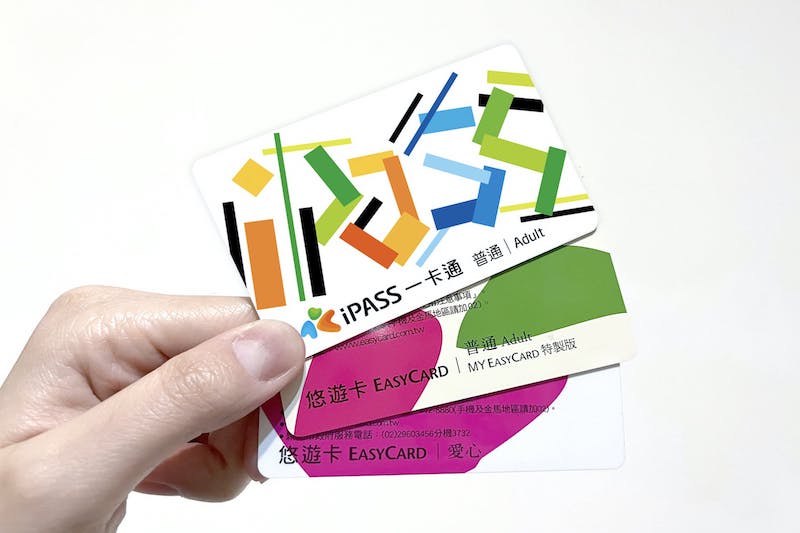
沖繩驚奇發現
Chris and Wendy are friends. They are chatting.
克里斯和溫蒂是朋友,他們正在聊天。
Chris: Hey Wendy, do you know that we can use the EasyCard in Okinawa?
克里斯:嘿,溫蒂,你知道我們在沖繩也可以使用悠遊卡嗎?
Wendy: Really?
溫蒂:真的嗎?
Chris: Yup. A Chinese tourist shared online that they could use Taiwan’s EasyCard to pay at outlets in Okinawa.
克里斯:對啊。有位中國遊客在網路上分享,在沖繩的暢貨中心竟然可以使用台灣的悠遊卡支付。
tourist(n.)旅客tour(n.)旅程、觀光sightseeing tour觀光旅程outlet(n.)(名牌)暢貨中心
Wendy: Really? That’s surprising. Isn’t the EasyCard just a transportation card in Taiwan?
溫蒂:真的嗎?太令人驚訝了。悠遊卡在台灣不就是交通卡嗎?
transportation(n.)交通工具、運輸
Chris: Exactly! But now, it seems you can even use it to pay abroad and in foreign currency.
克里斯:對啊!但現在看來,你甚至可以在國外使用並以外幣支付。
foreign currency外幣currency(n.)貨幣
Wendy: That’s so cool! I had no idea. How did they find out?
溫蒂:太酷了!我之前都不知道。他們是怎麼發現的?
have no idea不知道、不清楚=have no cluefind out發現、知道
Chris: The person was buying drinks at an outlet and discovered they could pay with the EasyCard. Many people on the internet are talking about it.
克里斯:那個人在暢貨中心買飲料時發現可以用悠遊卡付款。網上有很多人在討論這件事。
pay with card刷卡=pay by card
Wendy: I wish we could use our cards like that in other parts of Japan too.
溫蒂:我希望我們在日本的其他地方也能使用悠遊卡。
wish(v.)希望S. wish (that) S.+助動詞(過去式)可表達「但願~就好了」
Chris: Well, for now, it’s only in Okinawa. Some people suggest bringing enough cash or using credit cards, just to be safe.
克里斯:嗯,目前看來只有在沖繩可以。有些人建議保險起見,還是要帶夠現金或使用信用卡。
suggest(v.)建議suggest+V-ing建議~S. suggest that S.+VR建議~
Wendy: True. But still, the EasyCard is proving to be more useful than we thought.
溫蒂:確實。不過,悠遊卡的實用性還是超乎了我們的想像。
useful(adj.)實用的
Chris: Definitely!
克里斯:沒錯!