臺灣日本大不同
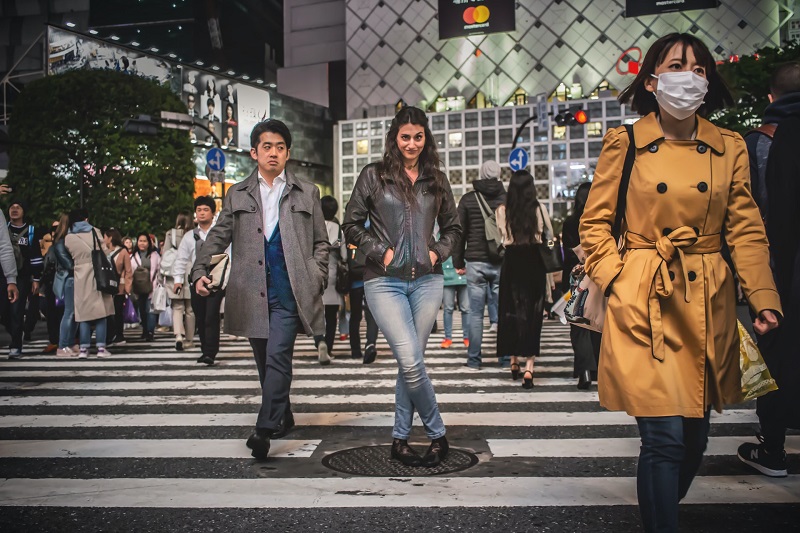
Yuki is an exchange student from Hokkaido, Japan. She is chatting with David, a Taiwanese person.
由紀是從日本北海道來的交換學生,她和臺灣人大衛在聊天。
exchange(n.,v.)交換,exchange student交換學生Taiwanese(adj.)臺灣人的
David: Yuki, how do you like living in Taipei so far?
大衛:由紀,目前你對住在臺北覺得如何?
so far到目前為止
Yuki: I like it very much. But the weather in Taipei is hotter and more humid than in Hokkaido.
由紀:我很喜歡呢,但是臺北的天氣比北海道還熱、還潮濕。
weather(n.)天氣hotter為hot的比較級,短母音+單子音→重複字尾子音+er,例如:big-biggerhumid(adj.)潮濕的,雙音節或多音節→more+形容詞A比B更⋯=A+be動詞+形容詞比較級+than+B
David: I see. How about the people here? Do you find them friendly?
大衛:原來如此,那這邊的人呢?你覺得他們友善嗎?
how about你認為⋯怎樣find(v.)覺得⋯處在某種狀態friendly(adj.)友善的
Yuki: Yes, I do. People in Taiwan show their feelings directly, but we Japanese are more polite.
由紀:很友善,臺灣的人會直接展現他們的感情,但我們日本人比較有禮貌。
show(v.)顯示、展現feeling(n.)感情directly(adv.)直接地polite(adj.)有禮貌的、客氣的
David: Are you saying Taiwanese people are less polite?
大衛:你是說臺灣人比較沒禮貌?
less(adv.)較少地
Yuki: Oh, no. Don’t get me wrong. I mean, Taiwanese people are as polite as Japanese. But Japanese people usually hide their true feelings or opinions in order to be polite.
由紀:喔,不是的,別誤會我的意思,我是說,臺灣人和日本人一樣有禮貌,但是日本人通常會為了禮貌而隱藏自己真實的感受或意見。
as+形容詞+as和⋯一樣hide(v.)隱藏opinion(n.)意見in order to為了⋯
David: I think I like the way we are better.
大衛:我想我比較喜歡我們的方式。
better(adv.)更好地
Yuki: Me, too. It’s easier to know what people think. By the way, I like street food in Taiwan a lot. There is more delicious street food in Taiwan than in Japan.
由紀:我也是,可以較容易了解人們的想法。對了,我非常喜歡台灣的街頭小吃,臺灣比日本還更多美味的街頭小吃。
easier為easy的比較級,字尾為子音+y→去y加ier,例如:busy-busierstreet food街頭小吃delicious(adj.)美味的
David: Tell me about it. Speaking of food, I am hungry now. Let’s get something to eat.
大衛:就是說嘛!講到食物,我餓了耶,我們去吃東西吧。
tell me about it就是說嘛hungry(adj.)飢餓的