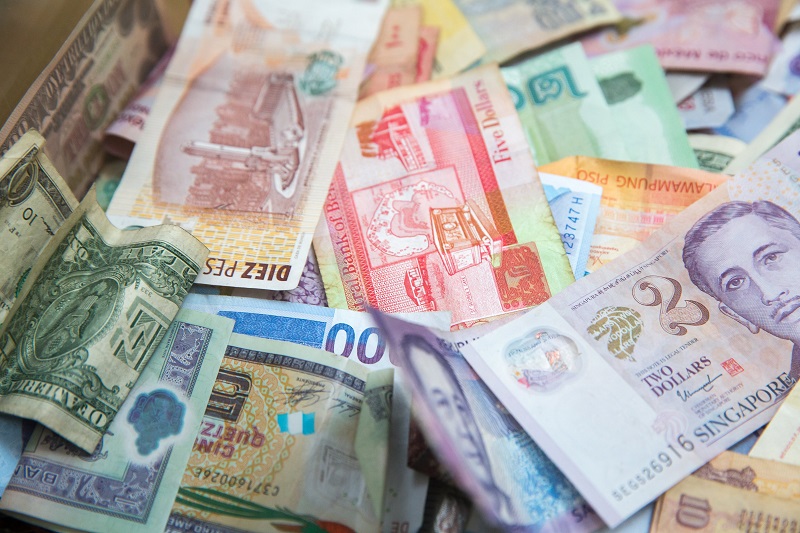
現金與即期匯率
Angela and Al are roommates. Al works at a bank.
安吉拉和艾爾是室友。艾爾在一家銀行工作。
Angela: I was at the bank to get some Australian dollars for my mom last week. There was one thing that I couldn’t figure out.
安吉拉:上週我在銀行幫媽媽換一些澳幣。有一件事我沒有搞清楚。
exchange(v.)匯兌figure out明白
Al: Hit me. Maybe I’ll know the answer.
艾爾:說吧。也許我會知道答案。
Angela: Why are the selling and buying prices of currency different?
安吉拉:為什麼貨幣的買入和賣出價格不同?
price(n.)價格
Al: Well, the bank has to earn money through these trades.
艾爾:嗯,銀行透過外匯交易來賺錢啊。
earn(v.)賺取trade(n.)交易
Angela: Then why did the teller use a different exchange rate when I was at the bank last week?
安吉拉:那為什麼上週我在銀行時櫃員用的是不同的匯率啊?
Al: Did you exchange money in cash?
艾爾:你用現金換匯嗎?
in cash以現金
Angela: Yes, I was at the counter with a lot of cash.
安吉拉:對啊。我那時在櫃檯前拿著很多現金。
counter櫃台
Al: Then if there’s cash involved, the bank will use a slightly worse rate, which is the cash rate, not the spot rate to exchange.
艾爾:那麼如果交易涉及現鈔,銀行會使用稍微比較差的匯率來換匯,就是現金匯率,而不是即期匯率。
slightly(adv.)些微cash rate現金匯率spot rate即期匯率
Angela: Why is that?
安吉拉:為什麼?
Al: Well, the cost for keeping cash is a bit high. Also, the bank will worry about fake notes.
艾爾:嗯,保存現鈔的成本比較高一點之外,銀行也會擔心假鈔的問題。
cost成本fake note假鈔