第一名不是泡麵?
Ken and Hitomi are friends. They are chatting.
肯和小瞳是朋友。他們正在聊天。
Ken: Hey, Hitomi! Have you seen this article about budget-friendly foods in Japan?
肯:嘿,小瞳!有看到這篇有關日本省錢美食的文章嗎?
Hitomi: No, I haven’t. What’s it about?
小瞳:沒有耶,內容是什麼?
Ken: It talks about the most popular inexpensive foods in Japan. Surprisingly, instant noodles aren’t number one.
肯:裡面介紹了日本最受歡迎的便宜美食。意外地,泡麵不是排名第一。
instant(adj.)(食品或飲品)方便的、即溶的instant coffee即溶咖啡
Hitomi: Really? What’s at the top of the list then?
小瞳:真的嗎?那第一名是什麼?
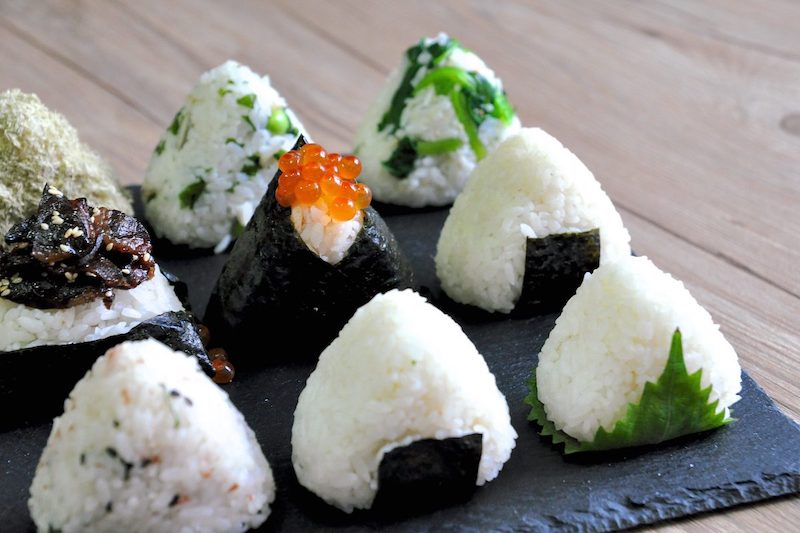
Ken: Convenience store rice balls! They beat out instant noodles.
肯:竟然是便利商店的飯糰!它們擊敗了泡麵。
convenience(n.)便利、方便beat out打敗
Hitomi: Wow, that’s surprising. I thought instant noodles would be the winner for sure.
小瞳:哇,真意外。我一直以為泡麵會是冠軍。
winner(n.)贏家win big取得成功
Ken: Yeah, me too. But apparently, rice balls are cheap, filling, and loved by everyone.
肯:我也是!但看來飯糰受歡迎,因為便宜又有飽足感。
apparently(adv.)看來apparent(adj.)顯而易見的filling(adj.)容易填飽肚子的
Hitomi: I guess convenience really matters when you’re looking to save money.
小瞳:看來方便真的很重要,尤其是想省錢的時候。
matter(v.)要緊、有關係look to do sth.預計、計劃要做某事情save(v.)節省、存(錢)
Ken: Definitely.
肯:確實如此。
Hitomi: What else did the article mention?
小瞳:文章還提到了什麼?
Ken: Well, it also talked about other affordable foods like ramen and rice bowls. And some people even mentioned cooking at home to save money.
肯:還介紹了其他價格實惠的食物,像是拉麵和丼飯。有些人甚至提到在家煮飯省錢。
affordable(adj.)負擔得起的
Hitomi: Cooking at home sounds like a good idea. It’s probably even cheaper than buying convenience store food.
小瞳:在家煮飯聽起來不錯。可能比買便利商店的食物還要便宜。
Ken: Yeah, and you can control what goes into your meal too.
肯:對呀,而且可以控制自己的食材。
Hitomi: I’ll have to try making meals at home sometime.
小瞳:我也該找個時間試試在家煮飯。
sometime(adv.)(將來或過去的)某個時候
Ken: Let’s give it a try together! We can make something simple and delicious.
肯: 我們一起試試看吧!做些簡單又美味的料理。
give it a try嘗試
Hitomi: Sounds like a plan!
小瞳:聽起來不錯!