鼓勵居家辦公
Jennie and Ryan are watching the news.
珍妮和萊恩正在看新聞。
news(n.)新聞
Jennie: There are so many people riding bicycles.
珍妮:有好多人在騎腳踏車。
bicycle(n.)腳踏車=bike
Ryan: Yeah. They have to ride bikes to commute.
萊恩:是啊。他們必須騎腳踏車通勤。
commute(v.)通勤
Jennie: Why don’t they take the subway?
珍妮:他們為何不搭地鐵?
take(v.)搭乘
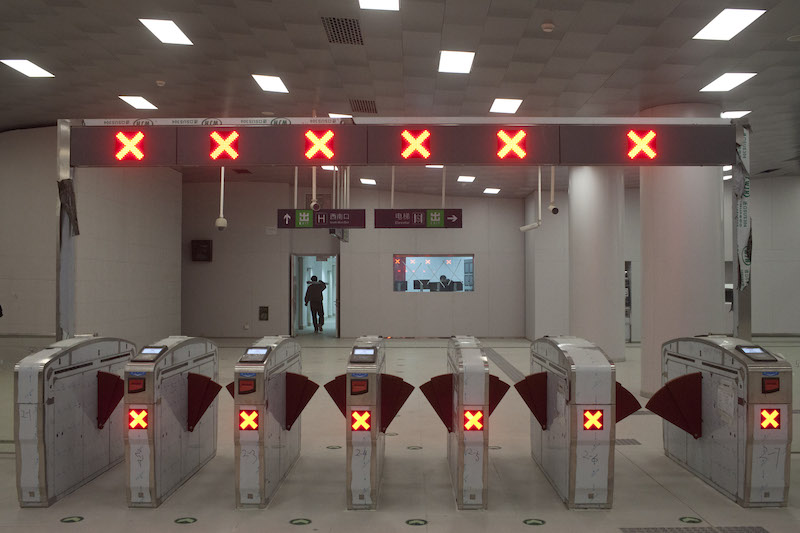
Ryan: They can’t. Beijing has shut down more than sixty metro stations.
萊恩:沒辦法。北京最近關閉了超過六十個地鐵站。
shut down=關閉
Jennie: Why did they do that?
珍妮:他們為何這麼做?
Ryan: Due to the rising COVID cases, the government had to cancel many bus routes and close metro stations to slow the spread.
萊恩:因為近期新冠肺炎案例數上升,他們必須取消許多公車路線還有關閉地鐵站來減緩散播速度。
rising(n.)上升的route(n.)路線slow(v.)延緩
Jennie: No wonder so many people are riding bikes instead.
珍妮:難怪這麼多人改騎腳踏車。
no wonder=難怪
Ryan: They also encouraged people to work from home.
萊恩:北京政府也鼓勵大家多居家辦公。
encourage(v.)鼓勵
Jennie: They sure did everything they could.
珍妮:他們真的盡了當前的一切手段。
sure(adj.)確實的
Ryan: But it is inconvenient for many commuters.
萊恩:但對於通勤族來說還是很不方便。
inconvenient(adj.)不便的convenient(adj.)方便的
Jennie: Yeah. They need to spend more time getting to work.
珍妮:是啊。他們得花更多時間在通勤路上。
spend(v.)花費
Ryan: Hope the spread of COVID gets under control soon.
萊恩:希望新冠肺炎的傳播能盡快得到控制。
under control=獲得控制