江戶時代開始流行
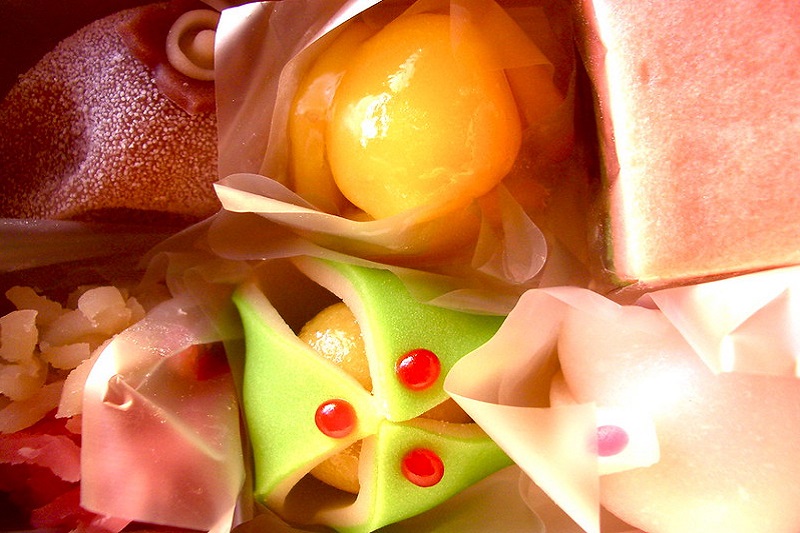
Wagashi is a term that refers to traditional Japanese confections and is derived from the word “kashi,” which means “sweets” in Japanese.
和菓子指的是傳統日式糕點,其中的「菓子」在日文中是指「甜食」。
refer to 指的是……be derived from 來自於、源自
There is no single kind of wagashi, but rather different types made from mostly plant-based ingredients like mochi, adzuki bean paste, and fruit, which are typically served with green tea.
和菓子不只有一種,而是有不同種類,大多數用植物性食材像是麻糬、紅豆餡和水果,通常搭配綠茶享用。
plant-based diet 植物性飲食mung bean 綠豆serve (v.)供應(食物或飲料)
Following the introductions of sugar, tea and dim sum to Japan from China, wagashi rose to popularity during the Edo period.
糖、茶以及點心從中國傳入日本之後,和菓子便在江戶時代開始流行。
introduction (n.)引進、傳入rise to popularity 變得受歡迎、變得流行rise to fame(prominence) 成名
Despite the great variety of wagashi types, they are often classified by their moisture content, which not only affects the texture of the sweets, but also their shelf life.
儘管和菓子種類眾多,它們通常是由水分含量多寡來分類,這不但影響口感,也會影響保存期限。
variety (n.)種類、變化classify (v.)將……分類、將……歸類shelf life 保存期限
Some of the main classifications include: “namagashi,” or wet confections, which have a moisture content of 30% or more, “hannamagashi,” or half-wet, which have a moisture content of 10% to 30%, and “higashi,” or dry confections, which have a moisture content of 10% or less.
主要的分類包括:「生菓子」,也就是濕糕點,含水量達30%或更多,「半生菓子」,也就是半濕糕點,含水量為10%到30%,「乾菓子」,也就是乾糕點,含水量為10%或更少。
classification (n.)分類、種類
As a sweet, wagashi represents more than just a treat enjoyed for its flavor.
作為甜點,和菓子代表的不僅是美味可口的點心。
treat (n.)美食
In fact, the technique used in creating wagashi is one of the most important aspects that contribute to the appreciation of it.
事實上,製作技巧是品嚐和菓子最重要的一環之一。
aspect (n.)層面、方面appreciation (n.)欣賞、感謝
Many types “require a lot of skill to create…including methods like kneading, steaming and shaping the sweets carefully by hand.”
多種和菓子「需要大量技巧製作而成……包括像是揉捏、蒸煮、和小心地用手塑形。」
knead (v.) 揉、捏shape (n.)形狀 (v.)塑形
In addition, the seasonal, poetic and natural motifs of wagashi confections as well as their delicate appearance add to their enjoyment in Japan.
此外,在日本,和菓子糕點其富有季節性、詩意和自然元素的主題,以及精緻的外觀,都添加了品味的樂趣。
motif (n.)中心思想、主題delicate (adj.)脆弱的、精緻的
Wagashi can be purchased and eaten at many places where green tea is served.
在許多販賣綠茶的地方都可以購買及享用和菓子。
purchase (v.)購買
Additionally, it can be bought at stores, including specialty sweet shops and convenience stores, to be brought home and eaten, presented to others as gifts during festivals, or shared and appreciated as treats with visiting guests.
此外,和菓子在甜點特產店和便利商店等商店也都買得到,可以帶回家品嚐、在節日時當作禮品送人、或是與來訪的客人分享及享用。
specialty (n.)特產present (v.)贈予
These confections are, therefore, both a delicious and significant part of everyday Japanese culture.
因此,這些甜點是日本日常文化中既美味又重要的一部分。
significant (adj.)重要的significant other 配偶、伴侶